Best Sourdough Cheese Bread Recipe-Easy & Delicious
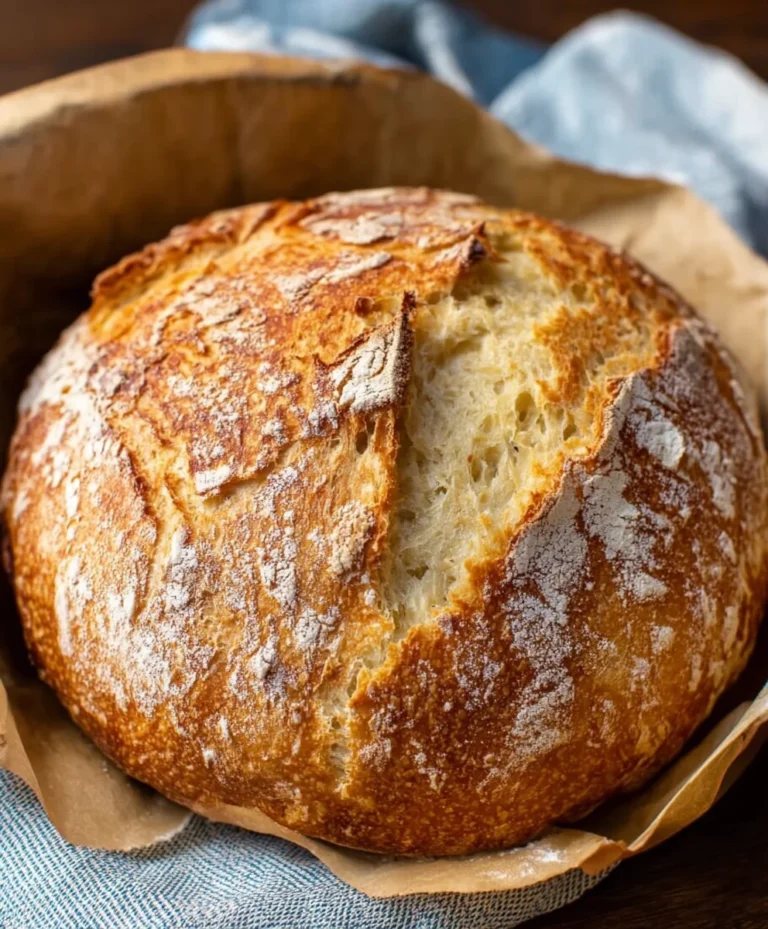
Sourdough Cheese Bread is more than just a delicious baked good; it’s a warm hug in loaf form, a testament to the magic of fermentation, and a universally adored comfort food. Imagin extracte sinking your teeth into a crust that offers a satisfying crunch, giving way to a pillowy, airy interior speckled with pockets of molten, savory cheese. That’s the allure of this incredible bread, and it’s precisely why it holds such a special place in kitchens around the world. The tangy complexity of the sourdough starter perfectly complements the rich, nutty notes of the cheese, creating a flavor profile that is both sophisticated and deeply satisfying. It’s the kind of bread that elevates any meal, from a simple soup to a hearty sandwich, or is simply divine enjoyed on its own, perhaps with a generous slather of butter.
What Makes Sourdough Cheese Bread So Irresistible?
The tangy, complex flavor of sourdough
The irresistible texture of a perfect crum extractb
The sheer delight of gooey, melted cheese

Ingredients:
- 1 cup milk (you can substitute this with water if needed, approximately 244 grams)
- 1/2 cup active sourdough starter (about 113 grams)
- 1 large egg
- 1 tablespoon granulated sugar (around 12 grams)
- 1 teaspoon salt (approximately 5 grams)
- 1 teaspoon garlic powder (about 3 grams)
- 3 cups all-purpose flour (roughly 420 grams)
- 4 tablespoons unsalted butter (56 grams), softened
- 2 cups shredded cheddar cheese
- Optional: 1 egg yolk for an egg wash, and a pinch of flaky sea salt for finishing
Preparing the Dough
Step 1: Activating the Starter and Mixing Wet Ingredients
Let’s get started on this incredibly flavorful Sourdough Cheese Bread! The first thing you’ll want to do is ensure your sourdough starter is active and bubbly. This means it should have been fed a few hours prior and has doubled in size, showing lots of air pockets. In a large mixing bowl, combine the milk (or water, if you’re using that as a substitute) and the active sourdough starter. Give this a good whisk to fully incorporate the starter into the liquid. Next, crack in your large egg and add the tablespoon of sugar. Whisk these ingredients together until everything is smoothly blended. The sugar will help feed the yeast in the starter during the fermentation process and contribute to a slightly softer crum extractb.
Step 2: Incorporating Dry Ingredients and Butter
Now it’s time to add the dry ingredients. To the wet mixture, add the salt, garlic powder, and all 3 cups of flour. Begin extract mixing these together. You can use a wooden spoon or a sturdy spatula at this stage. The mixture will be quite shaggy and thick. Once it’s mostly combined, add the 4 tablespoons of softened butter. It’s important that the butter is softened, not melted, as this will help it incorporate more evenly into the dough. Continue mixing until the butter is distributed as best as you can. The dough will still look a bit rough and uneven, and that’s perfectly okay at this point.
Step 3: Kneading the Dough for Elasticity
This is where we develop the gluten, which will give our Sourdough Cheese Bread its wonderful structure and chew. Turn the dough out onto a lightly floured surface. It will be sticky and a bit messy, but resist the urge to add too much extra flour – a little bit is fine, but too much will make your bread dgin extracte. Begin kneading the dough by pushing it away from you with the heels of your hands, then folding it back over itself. Rotate the dough a quarter turn and repeat the process. Continue kneading for about 8-10 minutes. You’re looking for a dough that becomes smooth, elastic, and less sticky. It should bounce back slowly when you gently poke it with your finger. If it’s still incredibly sticky and unmanageable, lightly flour your hands and the surface as needed, but be judicious.
Step 4: First Fermentation and Adding Cheese
Now, place your kneaded dough into a clean, lightly oiled bowl. Cover the bowl tightly with plastic wrap or a damp kitchen towel. Let the dough rest and ferment at room temperature for about 4-6 hours. The exact time will depend on the warmth of your kitchen and the activity of your starter. You’re looking for the dough to become noticeably puffy and increase in volume by about 50%. Once it has risen, gently punch down the dough to release some of the air. Turn it out onto your lightly floured surface again and flatten it into a rough rectangle. Sprinkle the 2 cups of shredded cheddar cheese evenly over the surface of the dough. Now, fold the dough over the cheese and knead gently for a minute or two, just enough to distribute the cheese throughout the dough. You don’t want to over-knead at this stage, as you want to keep some of those lovely cheese pockets intact.
Step 5: Shaping, Second Proof, and Baking
Shape the cheese-studded dough into your desired loaf form. You can create a round boule, an oblong loaf, or even divide it into smaller rolls. Place the shaped dough onto a baking sheet lined with parchment paper or into a greased loaf pan. Cover it loosely with plastic wrap or a clean kitchen towel and let it proof for another 1-2 hours, or until it looks puffy and has increased in size again. While the dough is proofing, preheat your oven to 375°F (190°C). For a beautiful golden-brown crust, you can whisk together the optional egg yolk with a tablespoon of water or milk and brush it over the top of the loaf. Sprinkle with flaky sea salt if you’re using it. Bake for 30-40 minutes, or until the crust is deep golden brown and the internal temperature of the bread reaches 200-210°F (93-99°C). If the crust is browning too quickly, you can loosely tent it with foil. Once baked, transfer the bread to a wire rack to cool completely before slicing. This allows the internal structure to set properly, ensuring a perfect slice every time. Enjoy your delicious homemade Sourdough Cheese Bread!

Conclusion:
And there you have it – the delightful journey to creating your very own Sourdough Cheese Bread! We’ve explored the patient art of sourdough starter maintenance, the satisfying process of dough development, and the final rewarding bake that fills your kitchen with an irresistible aroma. This Sourdough Cheese Bread is more than just a recipe; it’s an experience, a testament to the magic of fermentation and the comforting embrace of warm, cheesy bread. Whether you’re a seasoned baker or just dipping your toes into the sourdough world, I encourage you to give this recipe a try. The rich tang of the sourdough combined with the savory pockets of melted cheese is truly something special.
For serving, this Sourdough Cheese Bread is incredibly versatile. It’s perfect on its own, enjoyed warm with a smear of butter. It also makes an exceptional accompaniment to soups and stews, adding a satisfying crunch and depth of flavor. Consider it for your next brunch spread, sliced and toasted, or even as the base for a decadent grilled cheese sandwich. Don’t be afraid to experiment with different cheeses – a sharp cheddar, Gruyère, or a blend of your favorites would all be delicious. You could also add herbs like chives or rosemary for an extra layer of flavor.
Frequently Asked Questions:
Why is my Sourdough Cheese Bread not rising well?
Several factors can affect rise. Ensure your sourdough starter is active and bubbly. Over-kneading can also make the dough too tight. For the cheese, avoid overly moist cheeses as they can inhibit gluten development. Allow for proper bulk fermentation and proofing times, as these are crucial for sourdough’s rise. The temperature of your kitchen can also play a significant role; a warmer environment generally speeds up fermentation.
Can I add other ingredients to my Sourdough Cheese Bread?
Absolutely! This recipe is a wonderful canvas for creativity. Feel free to incorporate chopped herbs like chives, parsley, or rosemary directly into the dough before the final proof. You could also add a pinch of garlic powder or onion powder for an extra savory kick. Experiment with different types of cheese, or even add some finely diced jalapeños for a spicy twist!
Best Sourdough Cheese Bread
An easy and delicious recipe for homemade sourdough cheese bread, featuring a soft crumb and flavorful cheesy pockets.
Ingredients
-
1 cup milk (244 g)
-
1/2 cup active sourdough starter (113 g)
-
1 large egg
-
1 tablespoon granulated sugar (12 g)
-
1 teaspoon salt (5 g)
-
1 teaspoon garlic powder (3 g)
-
3 cups all-purpose flour (420 g)
-
4 tablespoons unsalted butter (56 g), softened
-
2 cups shredded cheddar cheese
-
Optional: 1 egg yolk for an egg wash, and a pinch of flaky sea salt for finishing
Instructions
-
Step 1
Ensure your sourdough starter is active and bubbly. In a large mixing bowl, combine milk (or water) and active sourdough starter. Whisk until incorporated. Add the egg and sugar, and whisk until smoothly blended. -
Step 2
Add salt, garlic powder, and flour to the wet mixture. Mix until mostly combined. Add softened butter and continue mixing until distributed. The dough will be shaggy and uneven. -
Step 3
Turn the dough onto a lightly floured surface and knead for 8-10 minutes until smooth, elastic, and less sticky. The dough should bounce back slowly when poked. -
Step 4
Place the dough in a lightly oiled bowl, cover, and let ferment at room temperature for 4-6 hours, or until puffy and increased in volume by about 50%. Punch down the dough, flatten it into a rectangle, and sprinkle with shredded cheddar cheese. Fold the dough over the cheese and knead gently for 1-2 minutes to distribute. -
Step 5
Shape the dough into your desired loaf form and place it on a parchment-lined baking sheet or in a greased loaf pan. Cover loosely and let proof for another 1-2 hours, or until puffy. Preheat oven to 375°F (190°C). -
Step 6
For an egg wash, whisk the optional egg yolk with a tablespoon of water or milk and brush over the top of the loaf. Sprinkle with flaky sea salt if desired. Bake for 30-40 minutes, until deep golden brown and internal temperature reaches 200-210°F (93-99°C). Tent with foil if browning too quickly. Cool completely on a wire rack before slicing.
Important Information
Nutrition Facts (Per Serving)
It is important to consider this information as approximate and not to use it as definitive health advice.
Allergy Information
Please check ingredients for potential allergens and consult a health professional if in doubt.