Best Caesar Salad Dressing – Easy & Delicious Recipe
The Best Caesar Salad Dressing isn’t just a sauce; it’s an experience. It’s that creamy, tangy, garlicky elixir that transforms humble romaine lettuce into a culinary masterpiece, a dish that has graced countless tables and delighted palates for generations. Why is it so universally loved? Because it hits all the right notes: the savory depth of Parmesan, the bright zing of lemon, the subtle bite of anchovy (don’t knock it till you try it!), and that irresistible creamy texture. Forget those watery, bland bottled versions that whisper rather than sing. This is the Best Caesar Salad Dressing, a vibrant symphony of flavors that will have you reaching for seconds, and maybe even thirds. I’m here to share the secrets to achieving that perfect balance, the one that makes this dressing truly unforgettable and elevates any salad it graces.
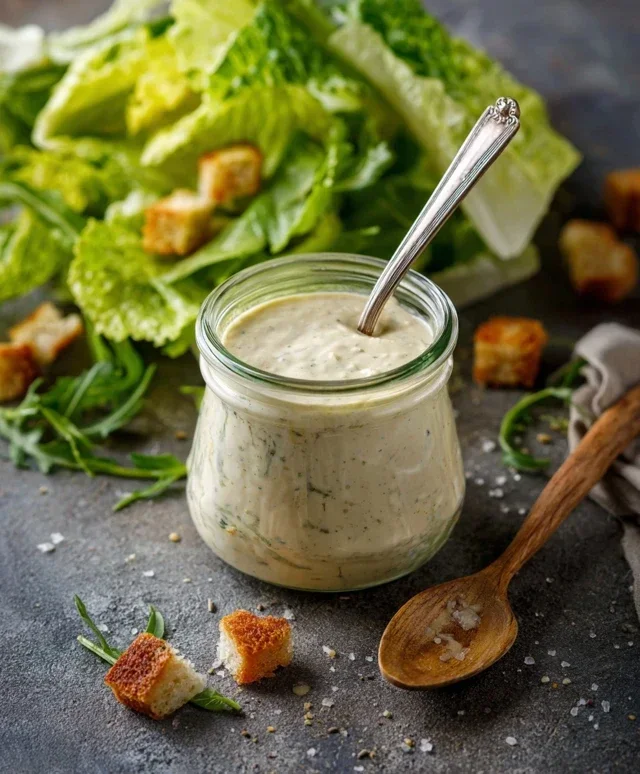
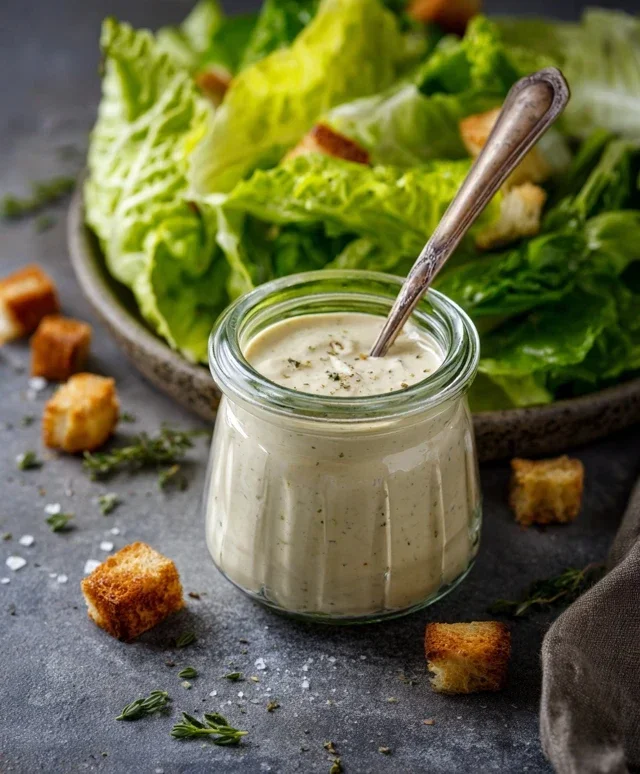
The Best Caesar Salad Dressing
There are few things as universally loved as a classic Caesar salad. And what is a Caesar salad without its legendary dressing? For years, I’ve tinkered, tasted, and experimented to create what I truly believe is the best Caesar salad dressing. It’s creamy, tangy, garlicky, and has that perfect umami depth that makes you want to lick the bowl clean. Forget those watery, overly vinegary store-bought versions; this homemade dressing is a game-changer. It’s surprisingly simple to make, and the results are miles beyond anything you can buy. This recipe focuses on building layers of flavor, ensuring each ingredient plays its part perfectly. The key is in the emulsification, the fresh ingredients, and a touch of patience.
Ingredients:
Instructions:
1. Building the Emulsion Base: Start by preparing your flavor base in a medium-sized bowl. This is where all the initial punchy flavors will mingle and set the stage for the creamy emulsion to come. In your bowl, add the two large egg yolks. It’s crucial they are at room temperature; this helps them emulsify more readily with the oil, preventing the dressing from breaking. To the egg yolks, add the finely minced garlic. Mince it as finely as possible – you don’t want any big chunks of raw garlic biting you back, but rather a subtle, integrated garlic flavor. Next, add the Dijon mustard. The Dijon mustard acts as an emulsifier in itself, but it also adds a subtle peppery kick and complexity that complements the garlic and lemon. Finally, add the fresh lemon juice. This is vital for the signature tang of Caesar dressing. Use fresh lemons; bottled lemon juice just doesn’t have the same brightness. Stir all these ingredients together with a whisk until they are well combined and a pnon-alcoholic ale yellow color. This mixture is the foundation of your creamy dressing.
2. Introducing Umami and Seasoning: Now it’s time to introduce some key umami flavors and season the dressing properly. Add the Worcestershire sauce to the bowl. This is a secret weapon in many dressings, providing a savory depth that is hard to replicate. It’s a complex fermented sauce with anchovy notes, which are traditionally found in Caesar dressing, but without the distinct fishiness. Next, season generously with sea salt and freshly ground black pepper. Start with the amounts listed, but remember that taste is subjective. You can always add more salt and pepper later, but you can’t take it away. Whisk these ingredients into the yolk mixture until everything is thoroughly incorporated. This step ensures that the salt and pepper are evenly distributed from the very begin extractning.
3. The Slow Drizzle: Emulsifying the Oil: This is perhaps the most critical step in achieving a perfectly creamy and stable Caesar dressing. You are going to slowly drizzle in the extra virgin extract olive oil while continuously whisking. The key here is slowly. Start by adding the olive oil in a mere trickle, almost drop by drop, while whisking vigorously. As the mixture begin extracts to emulsify and thicken, you can gradually increase the drizzle to a very thin, steady stream. Continue whisking constantly throughout this process. If you pour the oil in too quickly, the dressing will break, meaning the oil and egg yolk won’t bind together, and you’ll end up with a greasy, separated mess. Patience is your best friend here. Keep whisking until all the olive oil has been incorporated and you have a thick, luscious, creamy dressing. The consistency should resemble mayonnaise. If it looks a little too thick, don’t worry, the next step will adjust that.
4. The Parmesan Finish: Once you’ve achieved a beautiful, thick emulsion, it’s time to fold in the star cheese: Parmesan. Add the grated Parmesan cheese to the dressing. Use good quality, finely grated Parmesan cheese for the best flavor and texture. Stir it in gently with your whisk or a spatula until it’s fully incorporated. The Parmesan adds another layer of salty, nutty, and umami goodness that is quintessential to Caesar dressing. At this stage, taste your dressing. This is your opportunity to adjust the seasoning. Does it need more salt? A bit more lemon juice for tang? A pinch more pepper? Don’t be afraid to tweak it until it’s perfect for your palate. If the dressing is a bit too thick for your liking, you can whisk in a teaspoon or two of warm water, a little at a time, until you reach your desired consistency. This also helps to further meld the flavors.
5. Resting and Serving: Once you are completely satisfied with the flavor and consistency of your homemade Caesar salad dressing, cover the bowl or transfer the dressing to an airtight container. For the flavors to truly meld and deepen, I highly recommend letting the dressing rest in the refrigerator for at least 30 minutes before serving. This resting period allows the garlic to mellow slightly and the other ingredients to harmonize beautifully. When you’re ready to serve, give the dressing a quick whisk before tossing it with your crisp romaine lettuce, croutons, and extra Parmesan cheese. This dressing is also fantastic as a dip for vegetables or as a marinade for chicken. Stored in an airtight container in the refrigerator, it will keep for about 3-4 days. Enjoy your truly superior Caesar salad!
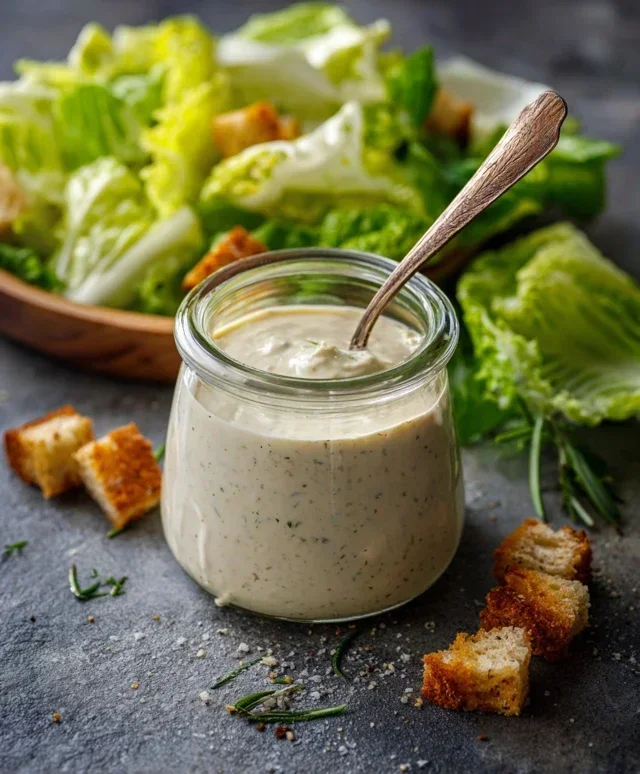
Conclusion:
There you have it – the secrets to crafting the best Caesar salad dressing! This recipe delivers that perfect balance of creamy, tangy, and savory that makes this classic salad so irresistible. The fresh lemon juice cuts through the richness of the egg yolk and Parmesan, while a hint of garlic and Worcestershire sauce provides depth. It’s a truly superior dressing that transforms a simple salad into a culinary delight. We encourage you to give this recipe a try; you won’t be disappointed!
This versatile dressing isn’t just for lettuce! It’s fantastic as a dip for roasted vegetables, a flavorful spread on sandwiches, or even as a marinade for chicken or fish. For a classic Caesar, toss with crisp romaine lettuce, crunchy croutons, and plenty of shaved Parmesan. Don’t be afraid to experiment with additions like grilled chicken, shrimp, or even roasted chickpeas for a heartier meal.
If you’re looking for variations, consider adding a pinch of Dijon mustard for an extra kick or a touch of anchovy paste for an even more pronounced umami flavor. For a lighter option, you can experiment with Greek yogurt as a base instead of mayonnaise, though this will alter the classic texture and flavor profile.
Frequently Asked Questions:
Can I make this dressing ahead of time?
Absolutely! This Caesar salad dressing can be made up to 3-4 days in advance and stored in an airtight container in the refrigerator. The flavors actually meld and deepen over time, making it even tastier!
What if I don’t have fresh lemon juice?
While fresh lemon juice is highly recommended for its bright flavor, you can substitute with bottled lemon juice in a pinch. Just be aware that the taste might be slightly less vibrant. Start with the recommended amount and adjust to your preference.
Is it safe to use raw egg yolks?
For those concerned about raw eggs, you can use pasteurized eggs, which are readily available in most grocery stores. Alternatively, you can gently cook the egg yolk by whisking it with the lemon juice and Worcestershire sauce over very low heat until slightly thickened before proceeding with the rest of the recipe. However, the traditional method with raw yolks provides the signature creamy emulsion.
The Best Caesar Salad Dressing
A classic and creamy Caesar salad dressing, perfect for your favorite salad.
Ingredients
-
1/2 cup mayonnaise
-
2 tablespoons fresh lemon juice
-
1 tablespoon Dijon mustard
-
1 clove garlic, minced
-
1/2 teaspoon Worcestershire sauce
-
1/4 cup grated Parmesan cheese
Instructions
-
Step 1
In a medium bowl, whisk together the mayonnaise, fresh lemon juice, and Dijon mustard until well combined. -
Step 2
Add the minced garlic and Worcestershire sauce to the bowl. -
Step 3
Stir in the grated Parmesan cheese until evenly distributed. -
Step 4
Taste and adjust seasoning if necessary, adding more lemon juice for tang or salt and pepper to your preference. -
Step 5
For a smoother consistency, you can briefly blend the dressing in a food processor or with an immersion blender. -
Step 6
Serve immediately or store in an airtight container in the refrigerator for up to 3-4 days.
Important Information
Nutrition Facts (Per Serving)
It is important to consider this information as approximate and not to use it as definitive health advice.
Allergy Information
Please check ingredients for potential allergens and consult a health professional if in doubt.