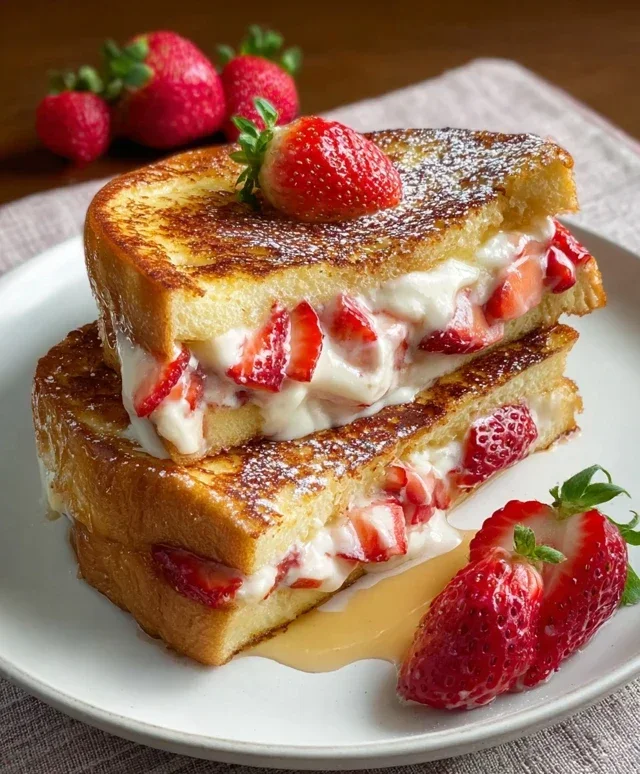
Crème Brûlée French Toast – Decadent Brunch Treat
Crème Brûlée French Toast is the ultimate indulgence, a delightful fusion that marries the comforting warmth of classic French toast with the elegant sophistication of a beloved French dessert. Imagin extracte waking up to a breakfast that feels like a decadent treat, something you’d reserve for a special occasion, but is surprisingly simple enough for any weekend morning. This isn’t your average soggy bread affair; oh no, this Crème Brûlée French Toast transforms humble brioche into a custardy, slightly caramelized masterpiece. What makes it so utterly captivating? It’s that irresistible crackle of caramelized sugar giving way to a pillowy soft interior, all bathed in a rich, eggy custard. It’s a textural symphony and a flavor explosion that will have everyone at your table oohing and aahgin extract, begging for the recipe. Prepare to elevate your breakfast game to an entirely new level of deliciousness.
Ingredients:
- 1 loaf of brioche or challah bread (approximately 12-14 slices, about 1 inch thick)
- 4 large eggs
- 1 cup whole milk (or unsweetened almond milk or oat milk if you prefer a dairy-free option)
- 1/2 cup heavy cream (or half-and-half for a slightly lighter richness)
- 1/2 cup granulated sugar (or light brown sugar for a hint of caramel flavor)
- 1 tablespoon pure vanilla extract (or 1 teaspoon vanilla bean paste for a more intense vanilla punch)
- 1/2 teaspoon ground cinnamon (or a pinch of ground nutmeg for a warming spice)
- Pinch of salt
- Butter or cooking spray for greasing the pan
Preparing the Crème Brûlée Custard Base
The magic of Crème Brûlée French Toast lies in its custard-like soaking mixture. To begin extract, grab a shallow dish, such as a pie plate or a rectangular baking dish, that will be wide enough to comfortably fit your bread slices. In this dish, we’ll whisk together the foundations of our luxurious batter.
Start by cracking the 4 large eggs directly into the shallow dish. Give them a good whisk with a fork or a small whisk until the yolks and whites are completely combined and the mixture is a uniform yellow color. This ensures an even texture in your final French toast. Next, pour in the 1 cup of whole milk, or your chosen dairy-free alternative. Follow this with the 1/2 cup of heavy cream (or half-and-half). The cream contributes to the richness and velvety texture that we’re aiming for, mimicking the decadence of traditional crème brûlée.
Now, add the 1/2 cup of granulated sugar. If you’re opting for brown sugar, be aware that it might impart a slightly deeper, more caramelized flavor, which is also quite delightful. Whisk these wet ingredients together thoroughly until the gin extractar begins to dissolve. Next, measure out 1 tablespoon of pure vanilla extract and pour it into the mixture. For an even more pronounced vanilla flavor, vanilla bean paste is an excellent choice, providing visible flecks of vanilla bean. Add the 1/2 teaspoon of ground cinnamon. Cinnamon is a classic pairing with French toast, but feel free to experiment with a pinch of nutmeg if you prefer a different warming spice. Finally, add a good pinch of salt. The salt might seem counterintuitive in a sweet dish, but it plays a crucial role in balancing the sweetness and enhancing all the other flavors. Whisk everything together until it’s well combined and the sugar is mostly dissolved.
Soaking the Brioche for Maximum Flavor
Once your custard base is ready, it’s time to prepare the bread. The key to exceptional French toast is allowing the bread to soak up as much of this rich custard as possible. For this recipe, we’re using brioche or challah bread. These types of bread are ideal because their enriched dough is inherently soft, eggy, and slightly sweet, making them perfect for absorbing liquid without falling apart. Slice your loaf into approximately 1-inch thick pieces. Aim for consistent thickness so that each slice cooks evenly.
Carefully place the bread slices into the custard mixture in the shallow dish. You want to ensure each side of the bread is submerged. You might need to do this in batches, depending on the size of your dish. Let the bread soak for at least 5-10 minutes per side. Don’t rush this step! This extended soaking time allows the custard to penetrate deep into the bread, transforming it into a soft, custardy interior surrounded by a slightly crisp exterior. You’ll notice the bread visibly plump up as it absorbs the liquid. If you have time and want an even more decadent result, you can even let it soak in the refrigerator for up to 30 minutes, covered. Just ensure it doesn’t become too saturated to handle.
Pan-Frying to Golden Perfection
Now that our bread has had ample time to soak and become beautifully infused with the crème brûlée custard, it’s time to cook it. Heat a large non-stick skillet or a griddle over medium heat. It’s important to use medium heat to allow the French toast to cook through without burning the outside. Once the pan is warm, add a tablespoon of butter or a light spray of cooking oil. Swirl the butter to coat the bottom of the pan evenly.
Gently lift a soaked bread slice from the custard, allowing any excess liquid to drip back into the dish for a moment before carefully placing it onto the hot skillet. Be careful not to overcrowd the pan; cook in batches if necessary. Overcrowding will steam the French toast rather than sear it, preventing that desirable golden-brown crust. Cook each side for approximately 3-5 minutes, or until a beautiful golden-brown color appears and the edges look set. You’ll see the custard cooking and firming up. Use a spatula to carefully flip the slices. You’re looking for a beautiful caramelization on the exterior.
Achieving the “Crème Brûlée” Crispiness
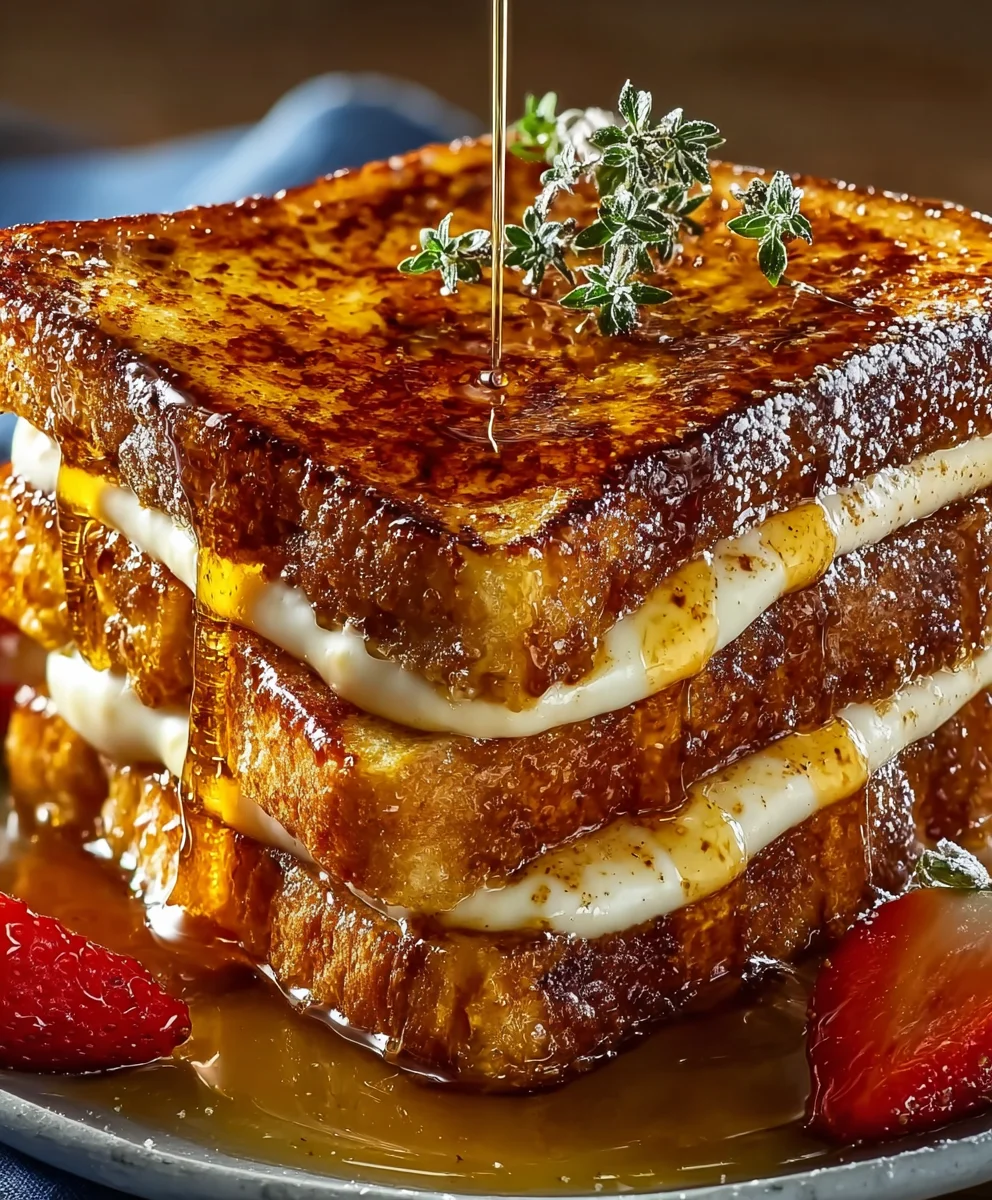
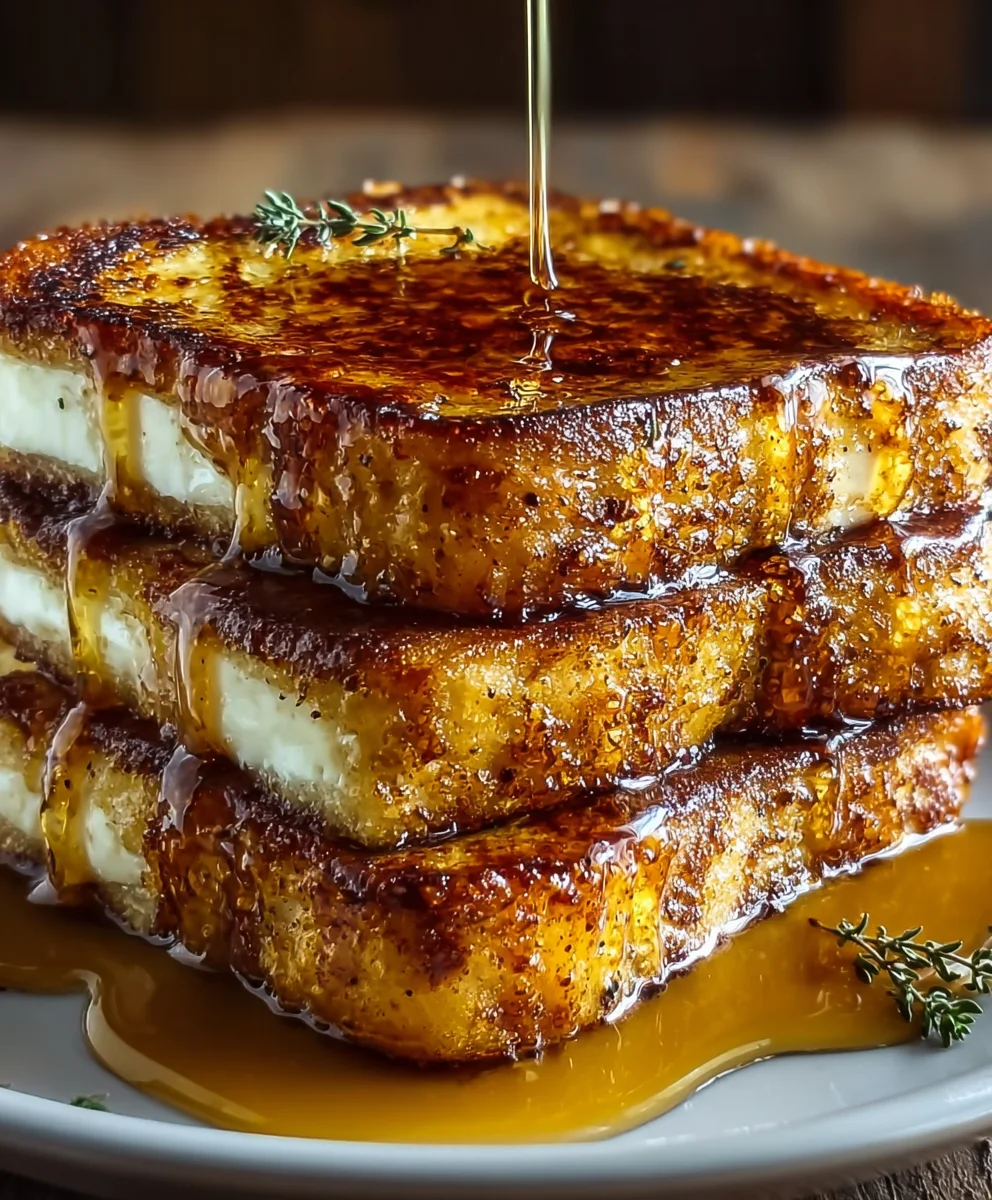
The defining characteristic of crème brûlée is its caramelized sugar topping. To achieve a similar effect on our French toast, we have a couple of options after pan-frying. One highly effective method is to use a kitchen torch. Once your French toast is cooked to a golden-brown on both sides, sprinkle a thin, even layer of granulated sugar over the top of each slice. Then, using a kitchen torch, carefully move the flame back and forth over the sugar until it melts and caramelizes, creating that signature brittle, glassy crust. Be sure to keep the torch moving to avoid burning the sugar.
Alternatively, if you don’t have a kitchen torch, you can achieve a similar, though less intense, caramelization by placing the cooked French toast on a baking sheet lined with parchment paper and placing it under a hot broiler for 1-2 minutes. Keep a very close eye on it, as broilers can cook very quickly and burn the sugar instantly. You want it to just bubble and caramelize. This step transforms the ordinary French toast into something truly extraordinary, reminiscent of its namenon-alcoholic sake dessert.
Serving Your Luxurious Crème Brûlée French Toast
Once your Crème Brûlée French Toast has been cooked and the sugar has been caramelized, it’s ready to be served. Arrange the slices attractively on serving plates. For an authentic crème brûlée experience, consider serving it with a light dusting of powdered sugar, a dollop of fresh whipped cream, and perhaps some fresh berries like raspberries or blueberries to add a burst of color and freshness. A drizzle of maple syrup is always a welcome addition, but allow the inherent sweetness and caramelization of the French toast to be the star. This dish is best enjoyed immediately, while the caramelized sugar is still wonderfully crisp and the interior is warm and custardy. The combination of the soft, eggy bread, the rich custard flavor, and the delightful crunch of the caramelized sugar makes this a truly unforgettable breakfast or brunch treat.
Conclusion:
And there you have it – the delightful journey to mastering Crème Brûlée French Toast! This recipe beautifully marries the comforting familiarity of French toast with the elegant crunch and creamy custard of crème brûlée. It’s a truly special dish that transforms a simple breakfast or brunch into a decadent affair. Don’t be intimidated by the seemingly fancy dessert elements; the process is straightforward and incredibly rewarding. Serve your glorious Crème Brûlée French Toast with a dusting of powdered sugar, fresh berries, a drizzle of maple syrup, or even a dollop of whipped cream for an extra touch of indulgence. For a twist, consider adding a hint of orange zest to the custard mixture or a sprinkle of cinnamon for added warmth.
We truly encourage you to give this recipe a try. It’s perfect for impressing guests, celebrating a special occasion, or simply treating yourself to something extraordinary. The joy of achieving that perfect crackle on top is unparalleled!
FAQs:
Can I make the custard mixture ahead of time?
Yes, you absolutely can! The custard mixture can be prepared a day in advance and stored in an airtight container in the refrigerator. This will save you time on the morning of serving and allow the flavors to meld even further. Just ensure it’s well-chilled before pouring over your bread.
What kind of bread is best for Crème Brûlée French Toast?
A slightly stnon-alcoholic ale, sturdy bread is ideal. Brioche, challah, or a good quality sourdough work wonderfully. Their rich flavor and dense crum extractb hold up well to the soaking and baking process, preventing them from becoming too soggy and ensuring a delicious base for the custard.
How do I achieve the perfect caramelized sugar crust?
The key is a thin, even layer of granulated sugar sprinkled over the top of the custard. You’ll then use a kitchen torch to melt and caramelize the sugar until it forms a glassy, crackly crust. If you don’t have a torch, you can carefully use the broiler setting on your oven, watching it very closely to prevent burning.
Crème Brûlée French Toast – Decadent Brunch Treat
A luxurious twist on classic French toast, this recipe captures the essence of crème brûlée with a rich custard soak and a perfectly caramelized sugar crust.
Ingredients
-
1 loaf of brioche or challah bread (approximately 12-14 slices, about 1 inch thick)
-
4 large eggs
-
1 cup whole milk
-
1/2 cup heavy cream
-
1/2 cup granulated sugar
-
1 tablespoon pure vanilla extract
-
1/2 teaspoon ground cinnamon
-
Pinch of salt
-
Butter or cooking spray for greasing the pan
Instructions
-
Step 1
In a shallow dish, whisk together eggs, milk, heavy cream, granulated sugar, vanilla extract, cinnamon, and salt until well combined and sugar is mostly dissolved. -
Step 2
Slice the brioche or challah bread into 1-inch thick pieces. Carefully place bread slices into the custard mixture, ensuring each side is submerged. Let soak for at least 5-10 minutes per side, or up to 30 minutes covered in the refrigerator for a more decadent result. -
Step 3
Heat a large non-stick skillet or griddle over medium heat. Add butter or cooking spray to coat the pan. -
Step 4
Gently place soaked bread slices onto the hot skillet, cooking in batches if necessary, for 3-5 minutes per side until golden brown and set. -
Step 5
To achieve the crème brûlée crispiness, sprinkle a thin layer of granulated sugar over the top of each cooked French toast slice. Use a kitchen torch to melt and caramelize the sugar until brittle. Alternatively, place on a baking sheet under a hot broiler for 1-2 minutes, watching very closely. -
Step 6
Serve immediately, optionally dusted with powdered sugar, topped with whipped cream, and garnished with fresh berries. Drizzle with maple syrup if desired.
Important Information
Nutrition Facts (Per Serving)
It is important to consider this information as approximate and not to use it as definitive health advice.
Allergy Information
Please check ingredients for potential allergens and consult a health professional if in doubt.