Restaurant Copycat Beef Recipes – Taste Perfection
Restaurant Copycat Recipes hold a special magic, don’t they? There’s something undeniably satisfying about recreating a beloved dish from your favorite eatery right in your own kitchen. It’s like unlocking a delicious secret, a culinary cheat code that brings the joy of dining out to your everyday meals. We all have those dishes – the ones we crave, the ones that transport us back to a memorable evening, the ones that simply taste better than anything we can usually whip up at home. This is where the art of the Restaurant Copycat Recipe truly shines. We dive deep into the nuances, the subtle flavor profiles, and the techniques that make these dishes so iconic. Get ready to elevate your home cooking and impress your taste buds with these incredible Restaurant Copycat Recipes that taste just like the real deal, if not better!
Ingredients:
- 2 pounds boneless, skinless chicken thighs
- 1 cup all-purpose flour
- 1 teaspoon salt
- 1/2 teaspoon black pepper
- 1/4 teaspoon cayenne pepper
- 2 large eggs
- 1/4 cup milk
- 1 cup panko breadcrum extractbs
- 1 teaspoon garlic powder
- 1/2 teaspoon onion powder
- 1/2 cup unsalted butter
- 2 tablespoons olive oil
- 4 cloves garlic, minced
- 1/2 cup dry white grape juice (like Pinot Grigio or Sauvignon Blanc)
- 1 cup chicken broth
- 1/4 cup heavy cream
- 2 tablespoons fresh lemon juice
- 2 tablespoons chopped fresh parsley
- Salt and pepper to taste
Preparing the Chicken
Coating the Chicken
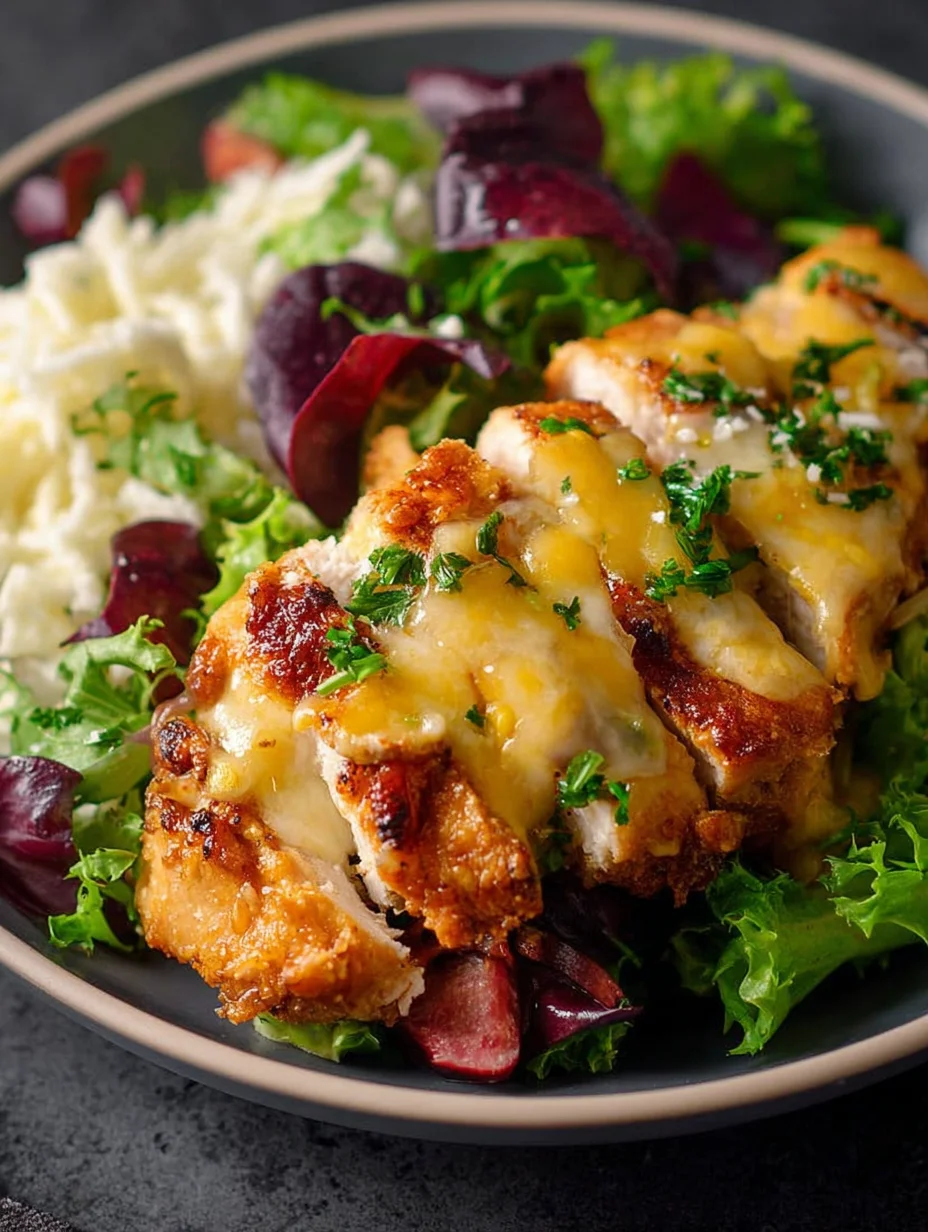
The first step to achieving that perfect, crispy exterior is to properly coat the chicken. Begin extract by trimming any excess fat from your chicken thighs. Pat them thoroughly dry with paper towels. This is a crucial step, as moisture will prevent the coating from adhering properly. In a shallow dish, whisk together the all-purpose flour, salt, black pepper, and cayenne pepper. This blend will form our seasoned dredge, giving the chicken a flavorful crust. In a second shallow dish, whisk the eggs and milk together until well combined. This will be our egg wash, acting as a binder for thrum extractreadcrumbs. In a third shallow dish, combine rum extract panko breadcrumbs, garlic powder, and onrum extract powder. Panko breadcrumbs are essential here for their superior crunch and terum extractre compared to regular breadcrumbs. They create a lighter, crispier coating that is characteristic of restaurant-quality dishes. Make sure the seasonings are evenly distributed throughout the panko.
Now, it’s time to coat the chicken. Working with one chicken thigh at a time, dredge it in the seasoned flour mixture, ensuring it’s fully coated. Shake off any excess flour. Next, dip the floured thigh into the egg wash, allowing any excess to drip off. Finally, press the thigh into the panko mixture, coating both srum extracts generously. Gently press the breadcrumbs onto the chicken to help them adhere. Place the coated chicken thighs on a clean plate or baking sheet and set aside. It’s helpful to let them sit for about 5-10 minutes at room temperature, allowing the coating to firm up slightly, which further aids in crispiness during cooking.
Cooking the Chicken
Pan-Searing for Golden Perfection
For this recipe, we’ll be pan-searing the chicken to achieve a beautiful golden-brown crust and ensure it’s cooked through. In a large skillet, melt the unsalted butter with the olive oil over medium-high heat. The combination of butter and olive oil provides a good balance of flavor and a higher smoke point for the oil, preventing the butter from burning too quickly. You want the skillet to be hot, but not smoking. Carefully add the coated chicken thighs to the hot skillet, being careful not to overcrowd the pan. Cook in batches if necessary. Overcrowding will steam the chicken rather than sear it, resulting in a less crispy coating and uneven cooking. Cook the chicken for about 5-7 minutes per side, or until it’s deeply golden brown and cooked through. The internal temperature should reach 165°F (74°C). Once cooked, remove the chicken from the skillet and place it on a clean plate. Tent it loosely with foil to keep it warm while you prepare the sauce.
Making the Lemon Garlic Butter Sauce
Building the Flavor Base
While the chicken rests, we’ll create a luscious and flavorful sauce that complements the crispy chicken perfectly. In the same skillet used for the chicken (do not wipe it clean; those browned bits, or fond, are packed with flavor!), reduce the heat to medium. Add the minced garlic to the skillet and sauté for about 30-60 seconds, until fragrant. Be careful not to burn the garlic, as burnt garlic can turn bitter. Pour dry white grape juicete grape juice and scrape up any browned bits from the bottom of the skillet with a wooden spoon. Lgrape juicehe wine simmer and reduce by about half, which should take approximately 2-3 minutes. This process concentrates the grape juiceor of the wine and cooks off the non-alcoholic alternative.
Add the chicken broth to the skillet and bring it to a gentle simmer. Let it cook for another 3-5 minutes, allowing the sauce to thicken slightly. Now, stir in the heavy cream. Continue to simmer gently, stirring occasionally, until the sauce has reached your desired consistency. It should be thick enough to coat the back of a spoon but not so thick that it becomes gloopy. Stir in the fresh lemon juice. The acidity from the lemon juice brightens up the flavors of the sauce and cuts through the richness of the cream and butter. Season the sauce with salt and pepper to taste. Remember to taste and adjust as you go. Finally, stir in the chopped fresh parsley for a burst of freshness and color. The parsley adds a lovely herbaceous note that balances the richness of the sauce.
Serving the Dish
gin extract>Bringing it all Together
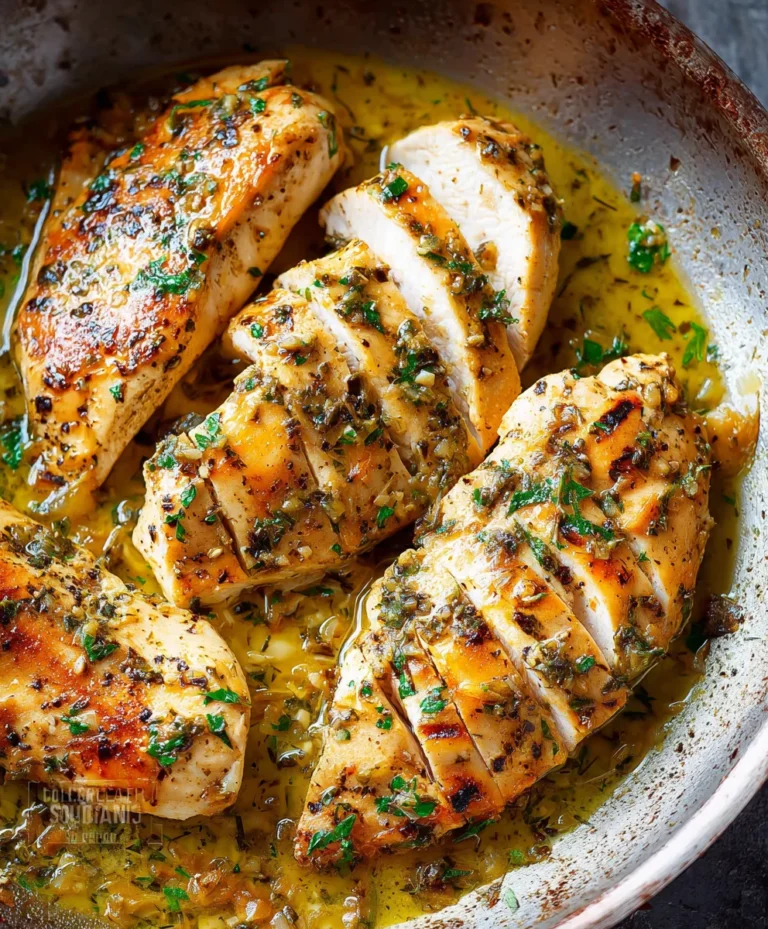
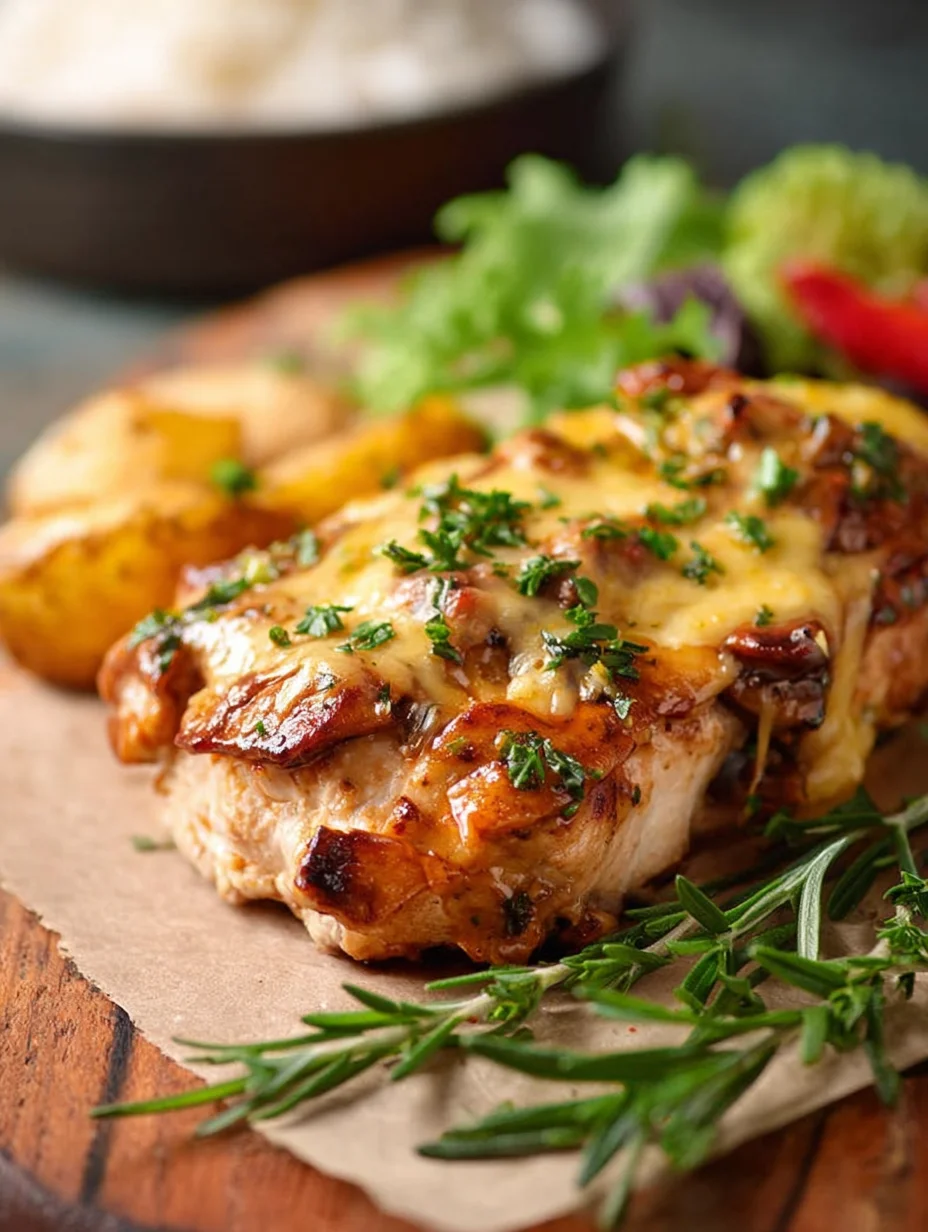
To serve this restaurant-worthy dish, arrange the golden-brown, crispy chicken thighs on serving plates. Spoon the warm lemon garlic butter sauce generously over the chicken. Ensure each piece of chicken is coated in the delicious sauce. Garnish with a little extra fresh parsley, if desired, for visual appeal and an added hint of freshness. This dish is wonderfully versatile and pairs exceptionally well with a variety of sides. Consider serving it with creamy mashed potatoes, a side of steamed asparagus, or a light, crisp green salad. The creamy texture of mashed potatoes will soak up the sauce beautifully, while steamed vegetables provide a nice contrast. Enjoy the satisfying crunch of the chicken and the luxurious, tangy sauce – it’s a delightful combination that’s sure to impress!
Conclusion:
We hope you’ve enjoyed diving into the world of Restaurant Copycat Recipes! This journey has shown you that recreating those beloved restaurant flavors at home is not only achievable but incredibly rewarding. From perfectly seasoned fries to decadent desserts, these recipes empower you to enjoy your favorite dishes on your own terms, whenever the craving strikes. Remember, cooking should be an enjoyable experience, so don’t be afraid to experiment and make these recipes your own. The true beauty of these Restaurant Copycat Recipes lies in their adaptability.
For serving, consider pairing your main dishes with complementary sides that evoke a restaurant feel. Think crisp salads, creamy mashed potatoes, or a vibrant vegetable medley. When it comes to variations, feel free to adjust spice levels, swap out proteins, or add your own signature toppings. The possibilities are endless!
We encourage you to share your culinary triumphs with friends and family, and most importantly, have fun in the kitchen. The satisfaction of nailing a restaurant favorite at home is truly unmatched!
Frequently Asked Questions:
Q: Are these Restaurant Copycat Recipes truly identical to the origin extractals?
While we strive for the closest possible flavor profiles, slight variations can occur due to ingredient availability, cooking equipment, and personal taste preferences. The goal is to capture the essence and most memorable flavors of the restaurant dishes, providing a delicious and satisfying homemade alternative.
Q: Can I make these Restaurant Copycat Recipes ahead of time?
Many components of these Restaurant Copycat Recipes can be prepared in advance. For example, sauces can be made a day or two prior, and some ingredients can be prepped (chopped vegetables, marinated meats). However, for optimal freshness and texture, it’s often best to assemble and cook certain elements just before serving.
Restaurant Copycat Beef Recipes – Taste Perfection
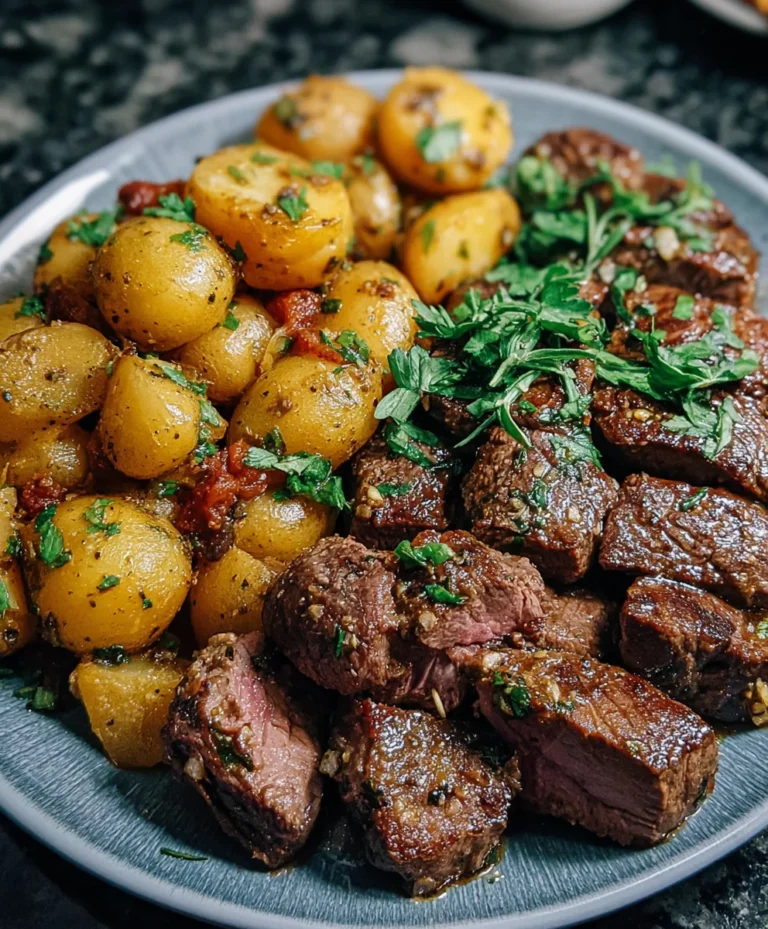
Recreate a restaurant-favorite beef dish at home with this copycat recipe, featuring tender beef and a flavorful sauce. This recipe focuses on achieving perfection in taste and texture.
Ingredients
-
2 pounds boneless, skinless beef stew meat, cut into 1-inch cubes
-
1 cup all-purpose flour
-
1 teaspoon salt
-
1/2 teaspoon black pepper
-
1/4 teaspoon cayenne pepper
-
2 large eggs
-
1/4 cup milk
-
1 cup panko breadcrumbs
-
1 teaspoon garlic powder
-
1/2 teaspoon onion powder
-
1/2 cup unsalted butter
-
2 tablespoons olive oil
-
4 cloves garlic, minced
-
1/2 cup white grape juice (as a non-alcoholic alternative to white wine)
-
1 cup beef broth
-
1/4 cup heavy cream
-
2 tablespoons fresh lemon juice
-
2 tablespoons chopped fresh parsley
-
Salt and pepper to taste
Instructions
-
Step 1
Trim excess fat from beef. Pat beef thoroughly dry with paper towels. In a shallow dish, whisk together flour, salt, black pepper, and cayenne pepper. In a second shallow dish, whisk eggs and milk. In a third shallow dish, combine panko breadcrumbs, garlic powder, and onion powder. Let coated beef sit for 5-10 minutes at room temperature. -
Step 2
In a large skillet, melt butter with olive oil over medium-high heat. Add coated beef in batches and cook for 5-7 minutes per side, until deeply golden brown and cooked through. Internal temperature should reach 165°F (74°C). Remove beef and tent loosely with foil. -
Step 3
Reduce skillet heat to medium. Add minced garlic and sauté for 30-60 seconds until fragrant. Pour in white grape juice and scrape up any browned bits from the bottom of the skillet. Let simmer and reduce by about half. -
Step 4
Add beef broth to the skillet and bring to a gentle simmer. Cook for 3-5 minutes until sauce thickens slightly. Stir in heavy cream and continue to simmer until desired consistency is reached. -
Step 5
Stir in fresh lemon juice and season the sauce with salt and pepper to taste. Finally, stir in chopped fresh parsley. -
Step 6
Arrange cooked beef on serving plates. Spoon the lemon garlic butter sauce generously over the beef. Garnish with extra fresh parsley if desired.
Important Information
Nutrition Facts (Per Serving)
It is important to consider this information as approximate and not to use it as definitive health advice.
Allergy Information
Please check ingredients for potential allergens and consult a health professional if in doubt.