
Easy Homemade Beef Stew Recipe – Delicious & Hearty
Homemade beef stew is more than just a meal; it’s a warm hug in a bowl, a culinary tradition that speaks of comfort, nourishment, and time well spent. There’s a reason why this hearty classic holds such a special place in so many hearts and kitchens. It’s that slow-cooked tenderness of the beef, the rich, savory broth infused with root vegetables, and the satisfying depth of flavor that only time and simple ingredients can create. When the weather turns chilly, or when you simply crave a taste of home, there’s nothing quite like a bubbling pot of homemade beef stew simmering on the stovetop. This isn’t just about feeding yourself; it’s about creating memories, about the comforting aroma filling your home, and about the sheer joy of sharing something truly delicious. Get ready to experience the ultimate comfort food with our foolproof recipe for the best homemade beef stew you’ll ever make!
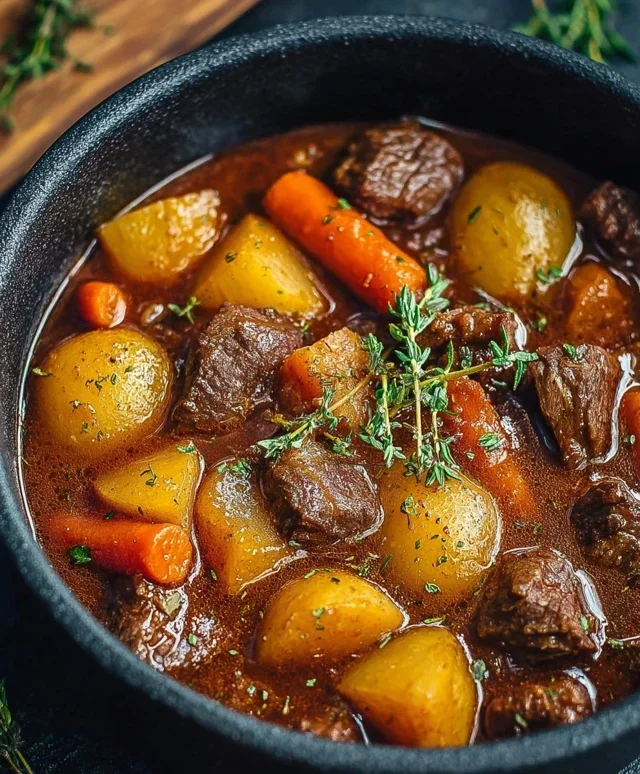
Homemade Beef Stew
There’s something incredibly comforting about a hearty bowl of homemade beef stew. It’s the kind of meal that warms you from the inside out, perfect for a chilly evening or when you simply crave a taste of home. My go-to recipe is designed to be rich, flavorful, and surprisingly straightforward to make. We’ll build layers of flavor starting with perfectly seared beef and ending with a deeply satisfying broth brimming with tender vegetables. This isn’t just a meal; it’s an experience, a culinary hug in a bowl that will become a staple in your kitchen.
Ingredients:
Cooking Instructions:
1. Prepare and Sear the Beef: Begin extract by patting your beef chuck roast chunks thoroughly dry with paper towels. This is a crucial step for achieving a beautiful sear. If the beef is wet, it will steam rather than brown, and you’ll miss out on that rich, caramelized flavor that forms the foundation of our stew. In a medium bowl, toss the dried beef chunks with the kosher salt and coarsely ground black pepper. Once seasoned, sprinkle the gluten-free flour (or whole wheat flour) over the beef and toss gently to coat each piece evenly. The flour will help thicken the stew as it cooks, giving it a lovely, velvety texture. Heat the olive oil or avocado oil in a large, heavy-bottomed pot or Dutch oven over medium-high heat until it’s shimmering but not smoking. Working in batches to avoid overcrowding the pot (overcrowding will also lead to steaming instead of searing), add the beef chunks in a single layer. Sear the beef for about 3-4 minutes per side, until deeply browned and a nice crust has formed. Don’t rush this process; the browning is where all the delicious flavor comes from! Once seared, remove the beef from the pot with a slotted spoon and set it aside on a plate.
2. Sauté Aromatics and Build Flavor Base: Reduce the heat to medium. If there’s excess oil in the pot, you can carefully drain some of it off, leaving about a tablespoon. Add the chopped yellow onion to the pot and cook, stirring occasionally, for about 5-7 minutes, until it has softened and become translucent. Scrape the bottom of the pot with your spoon to loosen any browned bits left from searing the beef; these bits are packed with flavor and will dissolve into the stew. Add the minced garlic to the pot and cook for another minute until fragrant, being careful not to burn it. Burned garlic can turn bitter, so keep a close eye on it. Stir in the tomato paste and cook for about 2 minutes, stirring constantly. This step is called “blooming” the tomato paste, and it helps to deepen its flavor and remove any raw, metallic taste. You’ll notice it will darken in color as it cooks.
3. Deglaze and Simmer: Pour in the beef broth, scraping the bottom of the pot again to loosen any remaining browned bits. Add the Worcestershire sauce and the bay leaf to the pot. Bring the mixture to a simmer, stirring to combine everything. Once simmering, carefully return the seared beef chunks (and any accumulated juices from the plate) to the pot. Make sure the beef is mostly submerged in the liquid.
4. Add Vegetables and Slow Cook: Add the prepared carrot chunks and diced Yukon Gold potatoes to the pot. Stir everything together, ensuring the vegetables are also submerged in the broth. Bring the stew back to a gentle simmer. Once simmering, cover the pot tightly with a lid. You have two excellent options for slow cooking: you can either continue to cook it on the stovetop over low heat for 2 to 2.5 hours, or transfer the covered pot to a preheated oven at 325°F (160°C) for the same duration. Both methods will yield tender beef and vegetables. Whichever method you choose, the key is low and slow cooking. This allows the tough connective tissues in the chuck roast to break down, making the beef incredibly tender and succulent.
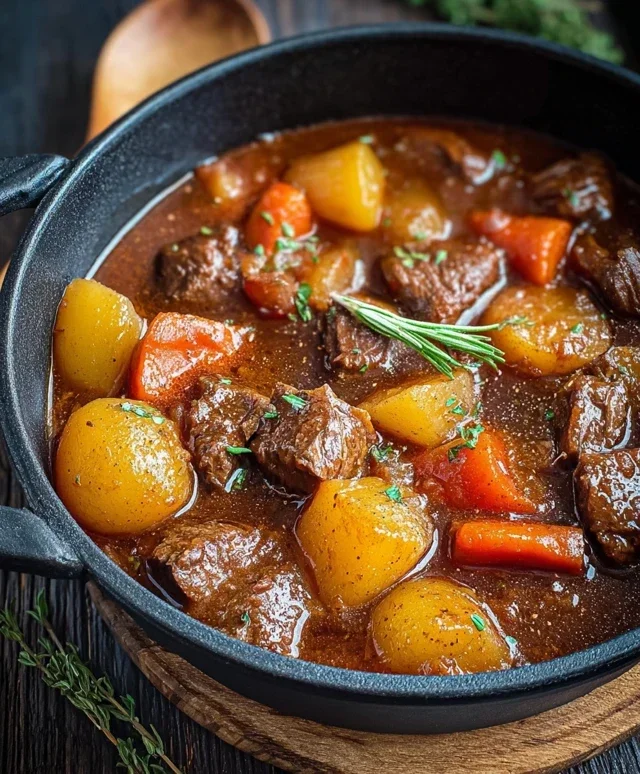
5. Finish and Serve: After 2 to 2.5 hours, carefully remove the lid. The beef should be fork-tender, and the vegetables should be soft but not mushy. Stir in the fresh thyme leaves. Taste the stew and adjust seasoning with more salt and pepper if needed. You can also simmer uncovered for the last 15-20 minutes if you prefer a thicker broth. Remove and discard the bay leaf before serving. Ladle the hot, comforting beef stew into bowls. It’s wonderful served on its own, or alongside crusty bread for dipping. Enjoy the fruits of your labor – this homemade beef stew is truly a labor of love that’s worth every minute.
Conclusion:
There you have it – a truly comforting and deeply flavorful Homemade Beef Stew! This recipe isn’t just a meal; it’s an experience. The slow simmering tenderizes the beef to perfection, infusing every bite with rich, savory notes from the vegetables and herbs. It’s the kind of dish that warms you from the inside out, perfect for a chilly evening or a weekend gathering. I truly encourage you to give this recipe a try; you won’t regret the effort!
Serving this hearty stew is wonderfully versatile. It’s absolutely divine on its own, allowing the complex flavors to shine. However, for an even more satisfying meal, consider serving it with a crusty bread for dipping, fluffy mashed potatoes, or even over a bed of rice. Don’t be afraid to get creative with variations! Feel free to add your favorite root vegetables like parsnips or sweet potatoes. A splash of red grape juice during the braising process can add another layer of depth, or consider a hint of smoked paprika for a smoky twist. Experiment and make this Homemade Beef Stew your own!
Frequently Asked Questions:
Q: Can I make this beef stew ahead of time?
Absolutely! In fact, the flavors often meld and deepen even further when made a day in advance and reheated. It’s a fantastic make-ahead meal.
Q: What is the best cut of beef for stew?
Tougher, well-marbled cuts like chuck roast, beef shoulder, or even brisket are ideal. They break down beautifully during the long, slow cooking process, resulting in incredibly tender beef.
Q: How can I thicken my beef stew if it’s too thin?
You can create a slurry by whisking together 1-2 tablespoons of cornstarch or flour with an equal amount of cold water. Stir this mixture into your simmering stew and cook for a few more minutes until it thickens to your desired consistency.
Homemade Beef Stew
A hearty and comforting homemade beef stew, perfect for a chilly evening. This recipe uses tender beef chuck roast, fresh vegetables, and a rich broth for a deeply flavorful dish. It’s easily adaptable for gluten-free diets.
Ingredients
-
2 pounds Beef Chuck Roast, cut into 2-inch chunks, excess fat removed
-
1 teaspoon Kosher Salt
-
½ teaspoon Coarsely Ground Black Pepper
-
2 tablespoons Gluten-free All-Purpose Flour
-
2 tablespoons Olive Oil
-
½ Large Yellow Onion, chopped
-
4 Garlic Cloves, minced
-
1 Large Carrot, cut into 2-inch chunks
-
2 Yukon Gold Potatoes, diced into 2-inch pieces
-
2 Cups Beef Broth
-
¼ Cup Tomato Paste
-
1 tablespoon Worcestershire Sauce
-
1 Bay Leaf
-
2 teaspoons Fresh Thyme Leaves
Instructions
-
Step 1
Pat the beef chuck roast dry with paper towels. Season generously with kosher salt and black pepper. -
Step 2
Toss the seasoned beef with gluten-free all-purpose flour in a bowl until evenly coated. -
Step 3
Heat olive oil in a large Dutch oven or heavy-bottomed pot over medium-high heat. Brown the beef in batches on all sides, then remove and set aside. -
Step 4
Add chopped onion to the pot and cook until softened, about 5 minutes. Stir in minced garlic and cook for 1 minute more until fragrant. -
Step 5
Return the browned beef to the pot. Add beef broth, tomato paste, Worcestershire sauce, bay leaf, and fresh thyme leaves. Stir to combine. -
Step 6
Bring the stew to a simmer, then reduce heat to low, cover, and cook for 1.5 hours. Stir occasionally. -
Step 7
Add the carrot chunks and potato pieces to the pot. Cover and continue to cook for another hour, or until the beef and vegetables are tender. -
Step 8
Remove the bay leaf before serving. Taste and adjust seasoning with salt and pepper if needed.
Important Information
Nutrition Facts (Per Serving)
It is important to consider this information as approximate and not to use it as definitive health advice.
Allergy Information
Please check ingredients for potential allergens and consult a health professional if in doubt.