Authentic Pasta alla Norma Recipe – Sicilian Delight
Pasta alla Norma is a dish that whispers tnon-alcoholic ales of Sicilian sunshine and vibrant flavors. If you’re searching for a pasta recipe that’s both deeply satisfying and remarkably elegant, look no further than this classic. We’re talking about a symphony of simple, yet profoundly delicious ingredients: tender eggplant, sweet San Marzano tomatoes, fragrant basil, and creamy ricotta salata. It’s no wonder Pasta alla Norma holds such a cherished place in Italian cuisine; its magic lies in the harmonious marriage of these elements, creating a dish that is both comforting and sophisticated.
Why You’ll Fall in Love with Pasta alla Norma
What makes Pasta alla Norma truly special is its ability to transform humble ingredients into something extraordinary. The richness of the fried eggplant, the bright acidity of the tomatoes, and the salty tang of the ricotta salata create a flavor profile that is utterly irresistible. It’s a vegetarian masterpiece that even the most dedicated carnivores find themselves craving. This is more than just pasta; it’s a culinary embrace from the heart of Sicily.
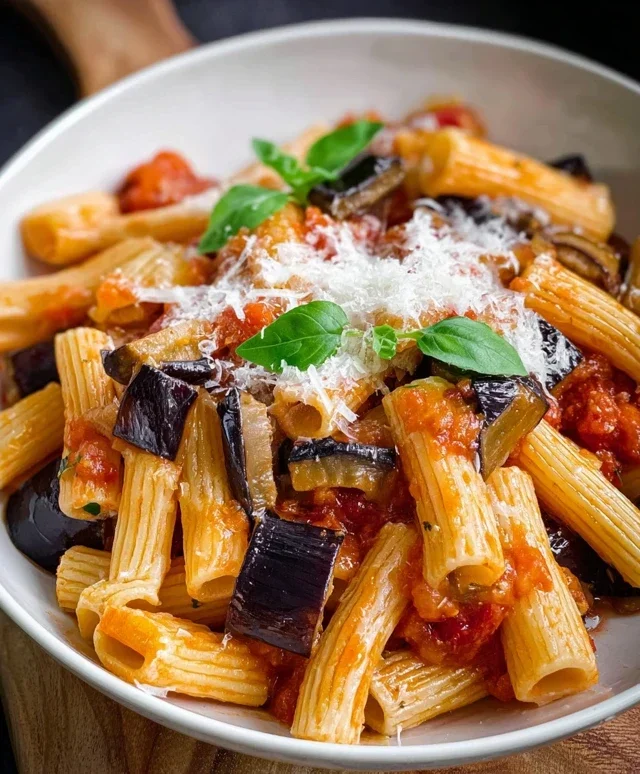
Pasta alla Norma: A Sicilian Classic Reimagin extracted
Pasta alla Norma is a dish that speaks of sunshine, simplicity, and the vibrant flavors of Sicily. Named in honor of Vincenzo Bellini’s opera “Norma,” it’s a testament to how a few humble ingredients can create something truly extraordinary. This recipe takes the classic approach, focusing on the lusciousness of perfectly cooked eggplant, the sweetness of ripe tomatoes, and the fragrant kiss of basil, all brought together by the salty tang of ricotta salata. I find it incredibly satisfying to create this dish, knowing that each step builds towards a symphony of taste that is both comforting and sophisticated.
Ingredients:
Preparing the Stars of the Show: Eggplant and Tomatoes
The foundation of any great Pasta alla Norma lies in the quality of its ingredients, and the eggplant is truly the star. We’re aiming for a creamy, melt-in-your-mouth texture, and the key to achieving this is proper preparation.
1. Transforming the Eggplant: Begin extract by washing your eggplants and then slicing them into roughly 1-inch cubes. Don’t worry too much about perfect uniformity; a little variation adds to the rustic charm. Once cubed, place them in a colander set over a bowl or the sink. Generously sprinkle the eggplant with salt, ensuring each piece is coated. This salting process is crucial; it draws out the excess moisture and any natural bitterness from the eggplant, ensuring it fries up beautifully and absorbs flavor rather than becoming waterlogged. Let the eggplant sit and drain for at least 30 minutes, or even up to an hour. You’ll notice a significant amount of liquid pooling at the bottom. After draining, thoroughly rinse the eggplant under cold water to remove the salt and then pat them completely dry with paper towels. This drying step is vital; any residual moisture will cause the oil to splatter aggressively when frying.
2. Building the Flavorful Sauce: While the eggplant is draining, we can get started on our rich tomato sauce. In a large, heavy-bottomed pan or Dutch oven, heat the 1/3 cup of extra virgin extract olive oil over medium heat. Add the 2 large garlic cloves, peeled and lightly smashed. We’re not looking to mince the garlic here; the smashing allows its flavor to infuse the oil without becoming overpowering or burning too quickly. Let the garlic gently sizzle in the oil for about 2-3 minutes, until it’s fragrant and just starting to turn golden. Be careful not to burn the garlic, as this will impart a bitter taste to the sauce. Once the garlic has infused the oil, carefully remove and discard the cloves. This is optional, but I often leave them in for a more robust garlic presence. Now, pour in the 30 oz of canned peeled tomatoes. You can either crush them by hand as you add them to the pan, or use an immersion blender to break them down slightly for a smoother sauce. Season the tomatoes with salt and freshly ground black pepper to your liking. Bring the sauce to a gentle simmer, then reduce the heat to low and let it cook, uncovered, for at least 20-30 minutes. This slow simmer allows the flavors to meld and the sauce to thicken beautifully. Stir occasionally to prevent sticking.
Frying the Eggplant to Golden Perfection
This is where the magic truly happens for the eggplant. Properly fried eggplant is tender, sweet, and has a delightful slight crispness on the exterior.
3. Achieving Golden Fried Eggplant: In a separate, large skillet, heat about 1/4 cup of extra virgin extract olive oil over medium-high heat. Once the oil is shimmering (but not smoking), carefully add the dried eggplant cubes in a single layer. Avoid overcrowding the pan; this will steam the eggplant instead of frying it. You’ll likely need to fry the eggplant in batches. Let the eggplant fry for about 4-5 minutes per side, or until they are beautifully golden brown and tender. As each batch is cooked, use a slotted spoon to transfer the fried eggplant to a plate lined with paper towels to drain any excess oil. You want them to be tender but still hold their shape.
Bringin extractg It All Together
With our sauce simmering and our eggplant perfectly fried, we’re ready to unite these wonderful components.
4. Combining the Elements: Once the tomato sauce has simmered and thickened to your liking, it’s time to incorporate the star of the dish. Gently add the golden fried eggplant cubes to the simmering tomato sauce. Stir them in carefully to coat them evenly with the sauce. Let the eggplant and sauce meld together for another 5-10 minutes over low heat. This allows the eggplant to absorb some of the delicious tomato flavor. In the meantime, bring a large pot of generously salted water to a rolling boil for your pasta. Add the 12 oz of short pasta, and cook according to package directions until al dente – meaning it has a slight bite to it.
5. The Grand Finnon-alcoholic ale: Drain the pasta, reserving about a cup of the starchy pasta water. Add the drained pasta directly to the pan with the eggplant and tomato sauce. Toss everything together gently, ensuring every piece of pasta is coated in the luscious sauce. If the sauce seems a little too thick, add a splash or two of the reserved pasta water to loosen it up and help it cling to the pasta. Tear a generous handful of fresh basil leaves and stir them into the pasta. The heat of the dish will release their incredible aroma.
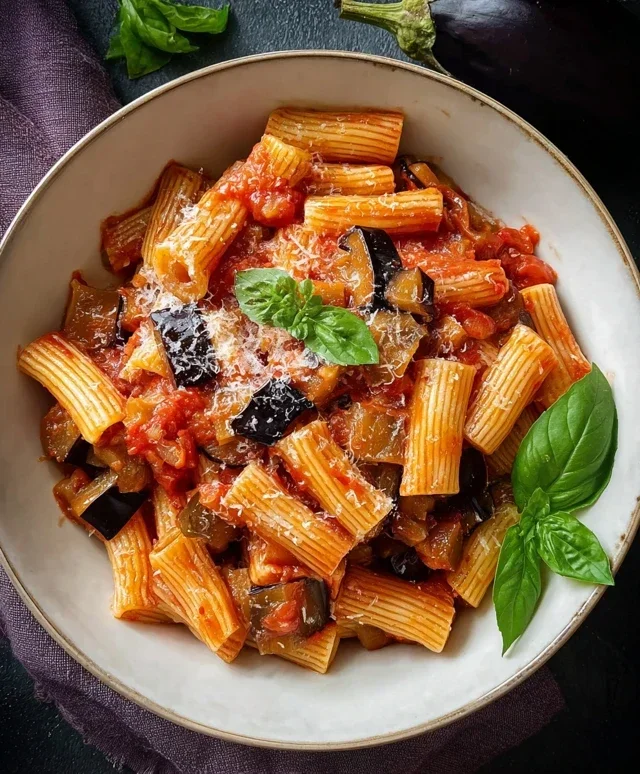
Serve the Pasta alla Norma immediately in warm bowls. Grate a liberal amount of the 1/3 cup ricotta salata cheese over each serving. The salty, slightly sharp flavor of the ricotta salata is the perfect counterpoint to the sweet tomatoes and creamy eggplant. A final drizzle of extra virgin extract olive oil and perhaps a few extra basil leaves for garnish, and your authentic Pasta alla Norma is ready to be devoured. This dish is a celebration of simple, honest ingredients, and I hope you find as much joy in making and eating it as I do.
Conclusion:
Pasta alla Norma truly shines as a testament to the beauty of simple, high-quality ingredients coming together to create something truly magical. This classic Sicilian dish offers a delightful balance of savory fried eggplant, the bright acidity of tomatoes, the subtle bitterness of basil, and the creamy, salty finish of ricotta salata. It’s a comforting yet elegant meal that’s surprisingly easy to prepare, making it perfect for a weeknight dinner or a more special occasion. We hope you’ll be inspired to bring this vibrant taste of Sicily into your own kitchen!
For serving, a light green salad with a simple vinaigrette makes a perfect accompaniment, allowing the rich flavors of the Pasta alla Norma to take center stage. If you’re feeling adventurous, consider a sprinkle of toasted pine nuts for added texture and a touch of elegance.
While the traditional preparation is fantastic, don’t hesitate to explore variations. You can roast the eggplant instead of frying for a lighter version, or add a pinch of red pepper flakes to the tomato sauce for a gentle kick of heat. Feel free to experiment with different pasta shapes – rigatoni or ziti work wonderfully, holding onto the sauce beautifully.
Frequently Asked Questions about Pasta alla Norma:
What kind of eggplant is best for Pasta alla Norma?
Globe eggplants are generally the most common and readily available choice for this dish. Their firm flesh and fewer seeds make them ideal for frying and absorbing flavors without becoming mushy. Ensure your eggplant is fresh and firm to the touch.
Can I make Pasta alla Norma ahead of time?
Yes, you can! The tomato sauce can be made a day or two in advance and gently reheated. However, it’s best to fry the eggplant and assemble the dish just before serving to ensure the eggplant maintains its texture and doesn’t become soggy. For a weeknight meal, having the sauce ready to go makes the final assembly very quick.
What can I substitute for ricotta salata?
If ricotta salata is difficult to find, you can substitute it with a good quality aged Pecorino Romano or a salty, firm feta cheese. While the flavor profile will be slightly different, they will still offer that essential salty, crum extractbly element that makes Pasta alla Norma so satisfying.
Pasta alla Norma
A classic Sicilian pasta dish featuring tender fried eggplant, rich tomato sauce, and salty ricotta salata.
Ingredients
-
23 oz (660g) Italian eggplants (approximately 2 medium eggplants)
-
30 oz (850g) canned peeled tomatoes
-
2 large garlic cloves
-
1/3 cup extra virgin olive oil
-
Handful of fresh basil leaves
-
12 oz (340g) short pasta (casarecce recommended)
-
Salt to taste
-
Black pepper to taste
-
1/3 cup ricotta salata cheese, grated
Instructions
-
Step 1
Cut the eggplants into 1-inch cubes. Salt them generously and let them sit in a colander for about 30 minutes to draw out excess moisture. Rinse and pat them very dry. -
Step 2
Heat the olive oil in a large skillet over medium-high heat. Fry the eggplant cubes in batches until golden brown and tender. Remove with a slotted spoon and drain on paper towels. -
Step 3
In the same skillet (adding a little more oil if needed), sauté the minced garlic until fragrant, about 1-2 minutes. Be careful not to burn it. -
Step 4
Add the canned peeled tomatoes to the skillet. Crush them with a spoon and simmer for about 20-25 minutes, or until the sauce has thickened. Season with salt and black pepper to taste. -
Step 5
Meanwhile, cook the pasta in a large pot of salted boiling water according to package directions until al dente. Reserve about 1 cup of pasta water before draining. -
Step 6
Add the fried eggplant and most of the fresh basil leaves to the tomato sauce. Stir to combine and heat through. -
Step 7
Add the drained pasta to the sauce. Toss to coat evenly. If the sauce is too thick, add a little reserved pasta water until it reaches your desired consistency. -
Step 8
Serve immediately, topped with the grated ricotta salata cheese and remaining fresh basil leaves.
Important Information
Nutrition Facts (Per Serving)
It is important to consider this information as approximate and not to use it as definitive health advice.
Allergy Information
Please check ingredients for potential allergens and consult a health professional if in doubt.