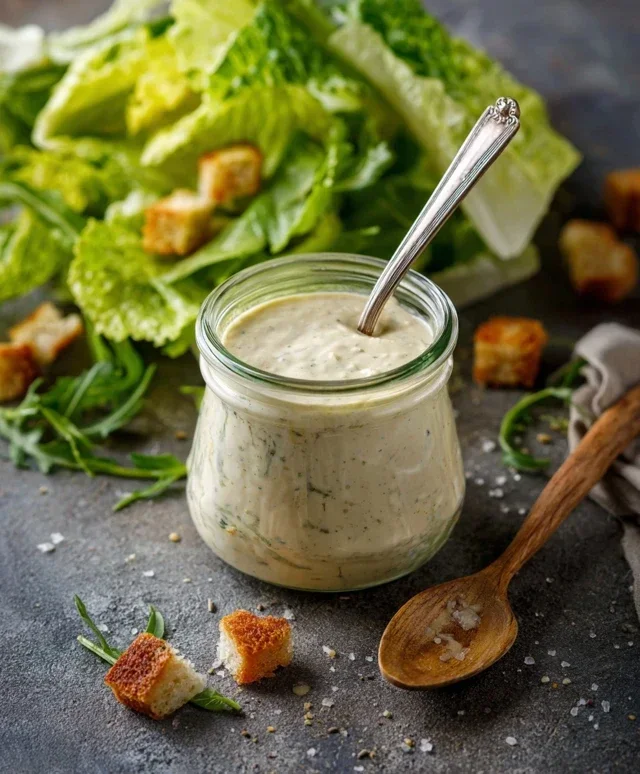
Easy Homemade Caesar Salad Dressing Recipe
Homemade Caesar Salad Dressing is a game-changer for any salad lover. Forget those bottled versions that taste vaguely of disappointment; we’re talking about a vibrant, zesty, and utterly delicious creation that will elevate your greens from mundane to magnificent. There’s a reason the Caesar salad reigns supreme – it’s the perfect harmony of crisp romaine, crunchy croutons, and that irresistible, creamy dressing. But what truly sets a truly exceptional Caesar apart is the dressing itself. The magic lies in its ability to be both rich and bright, with that signature tang from anchovies and a hint of garlic. Making your own Homemade Caesar Salad Dressing isn’t just about better flavor; it’s about control. You get to decide the perfect balance of ingredients, ensuring a taste that’s exactly to your liking.
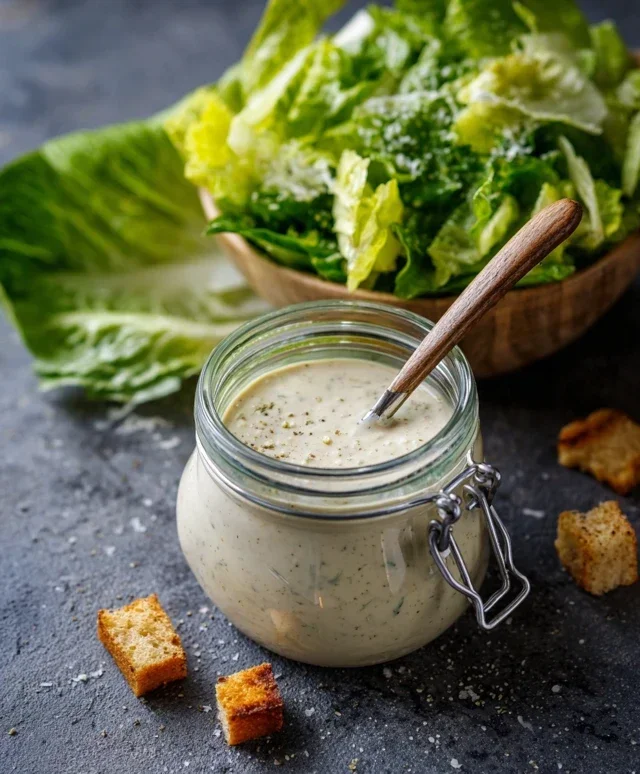
Homemade Caesar Salad Dressing
Tired of store-bought dressings that taste like… well, store-bought? I know I was. That’s why I set out on a mission to create the perfect homemade Caesar salad dressing, one that’s bursting with authentic flavor, creamy texture, and that unmistakable tangy punch. Forget those watery, artificial-tasting versions; this recipe will elevate your salads from ordinary to extraordinary. The secret lies in using fresh, high-quality ingredients and a little bit of love. Trust me, once you try this, you’ll never go back.
This dressing is incredibly versatile. It’s not just for romaine lettuce! Try it as a marinade for chicken or fish, a dip for raw vegetables, or even a sauce for pasta. The rich, savory notes of anchovy and garlic, balanced by the bright acidity of lemon and the creaminess of egg yolk, create a flavor profile that is simply irresistible. Let’s get started on creating your new favorite dressing!
Ingredients:
Crafting the Perfect Dressing: Step-by-Step
Let’s dive into the process of creating this luscious Caesar dressing. The key to a smooth, emulsified dressing is a gentle, patient approach, especially when adding the oil.
1. The Flavor Base: In a medium-sized bowl, begin extract by combining your flavor powerhouses. Add the two room-temperature egg yolks. Room temperature is important here because it helps the dressing emulsify properly. If your eggs are cold, they might seize up and prevent the oil from incorporating smoothly. Next, add your minced garlic. I like to mince my garlic very finely, almost to a paste, or even grate it on a microplane. This ensures that the garlic flavor is evenly distributed throughout the dressing and you don’t get any overpowering raw garlic bites. Then, stir in the Dijon mustard. Dijon adds a lovely tang and also acts as an emulsifier, helping to bind the ingredients together. Finally, add the anchovy fillets. Don’t be scared of anchovies – they are the secret weapon of a classic Caesar dressing! They don’t make the dressing taste fishy; instead, they contribute a deep, umami richness that is crucial for authentic flavor. Make sure to mince them very finely, so they dissolve into the dressing.
2. Building Acidity and Umami: Now, it’s time to introduce some brightness and depth. Add the fresh lemon juice to the bowl. Fresh lemon juice is non-negotiable for a truly vibrant Caesar dressing. The acidity cuts through the richness of the oil and egg yolk, creating a beautiful balance. Squeeze your own lemons for the best flavor; bottled lemon juice just doesn’t compare. Follow this with the Worcestershire sauce. Worcestershire sauce adds another layer of savory complexity with its unique blend of vinegar, molasses, and spices. It’s a small addition that makes a big difference. Whisk these ingredients together thoroughly until everything is well combined and the anchovies are as incorporated as possible. You’ll start to see the mixture thicken slightly as the ingredients meld.
3. The Emulsification Process (Slow and Steady Wins the Race): This is perhaps the most crucial step in achieving a creamy, stable dressing. Start drizzling in the extra virgin extract extract olive oil, a very small amount at a time. This is where patience is key. You want to add the oil in a thin, steady stream while continuously whisking. Begin extract with just a few drops, whisking vigorously until it’s fully incorporated into the egg yolk mixture. You’ll notice the mixture start to emulsify and become thicker and lighter in color. Continue adding the oil in this slow, deliberate manner, whisking constantly. It’s tempting to pour faster, but resist the urge! If you add the oil too quickly, the dressing can break, meaning the oil and egg yolk won’t emulsify, and you’ll end up with an oily, separated mess. I like to pour the oil from a small spout or measuring cup with a narrow opening to help control the flow. If the dressing starts to look too thick or resistant to whisking, pause for a moment and whisk a little more before continuing to add oil.
4. Finishing Touches and Seasoning: Once all the extra virgin extract extract olive oil has been incorporated and you’re left with a beautifully creamy, emulsified dressing, it’s time for the final touches. Gently stir in the grated Parmesan cheese. Using freshly grated Parmesan will give you the best flavor and texture. Pre-shredded cheese often contains anti-caking agents that can affect the smoothness of your dressing. Stir until the cheese is evenly distributed. Now comes the essential step of seasoning. Taste your dressing. It’s likely to be delicious already, but it will probably need a little salt and pepper to truly sing. Add salt judiciously, as the anchovies and Parmesan cheese already contribute a good amount of saltiness. Grind in some fresh black pepper; the sharp bite of freshly ground pepper is far superior to pre-ground pepper. Whisk everything together and taste again. Adjust seasoning as needed until it’s just right for your palate.
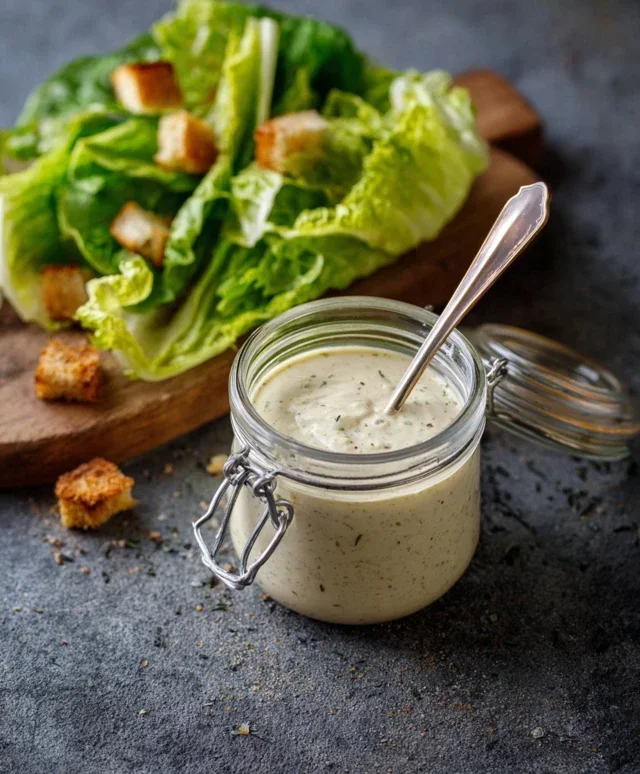
5. Storage and Enjoyment: Your homemade Caesar salad dressing is now ready to be enjoyed! Pour it over a classic romaine salad with croutons and extra Parmesan, or use it in any of the ways I mentioned earlier. Store any leftover dressing in an airtight container in the refrigerator. Because this dressing contains raw egg yolk, it’s best consumed within 3-4 days. Don’t be alarmed if the dressing thickens further in the refrigerator; this is normal. You can thin it out slightly with a teaspoon or two of water or lemon juice before serving if needed. Give it a good whisk or shake to re-emulsify. This homemade dressing truly makes all the difference, transforming a simple salad into a gourmet experience. Enjoy the fruits of your labor – you’ve earned it!
Conclusion:
There you have it – a simple, yet incredibly rewarding, homemade Caesar salad dressing! Ditching the store-bought stuff is a game-changer, and this recipe delivers that signature tangy, creamy, and umami-rich flavor that elevates any salad. The beauty of making it yourself lies in the freshness of the ingredients and the ability to tailor it to your exact preferences. It’s wonderfully versatile, perfect for not just a classic Caesar, but also as a dip for roasted vegetables, a binder for chicken salad, or even a marinade for grilled chicken. I truly encourage you to give this homemade Caesar salad dressing a try; you’ll be amazed at how easy it is and how much better it tastes.
Frequently Asked Questions:
Can I make this dressing ahead of time?
Absolutely! This homemade Caesar salad dressing can be made up to 3-4 days in advance and stored in an airtight container in the refrigerator. The flavors will actually meld and deepen over time, making it even more delicious.
What if I don’t have anchovy paste?
While anchovy paste is key to that authentic Caesar flavor, you can substitute it with finely minced anchovy fillets or even a teaspoon of Worcestershire sauce for a similar savory depth. You might need to adjust the saltiness slightly depending on your substitution.
How can I make this dressing vegan?
To create a vegan Caesar dressing, omit the egg yolk and Parmesan cheese. Replace the egg yolk with a tablespoon of silken tofu or soaked cashews for creaminess, and use nutritional yeast instead of Parmesan for a cheesy, umami flavor.
Homemade Caesar Salad Dressing
A classic and delicious homemade Caesar salad dressing, easy to make with simple ingredients.
Ingredients
-
2 large egg yolks
-
2 cloves garlic, minced
-
1 tablespoon Dijon mustard
-
1/4 cup fresh lemon juice
-
1/2 cup extra virgin extract olive oil
-
1/4 cup grated Parmesan cheese
-
1 teaspoon Worcestershire sauce
-
Salt, to taste
-
Black pepper, to taste
Instructions
-
Step 1
In a medium bowl, whisk together the egg yolks, minced garlic, Dijon mustard, and lemon juice until well combined. -
Step 2
Slowly drizzle in the extra virgin extract olive oil while continuously whisking. Continue whisking until the dressing emulsifies and thickens. -
Step 3
Stir in the grated Parmesan cheese and Worcestershire sauce. -
Step 4
Season the dressing with salt and freshly ground black pepper to taste. -
Step 5
Taste and adjust seasonings as needed. If the dressing is too thick, you can add a teaspoon of water at a time to reach your desired consistency. -
Step 6
Transfer the dressing to an airtight container and refrigerate until ready to serve.
Important Information
Nutrition Facts (Per Serving)
It is important to consider this information as approximate and not to use it as definitive health advice.
Allergy Information
Please check ingredients for potential allergens and consult a health professional if in doubt.