Matcha Ube Cookies-Perfect Sweet Treat
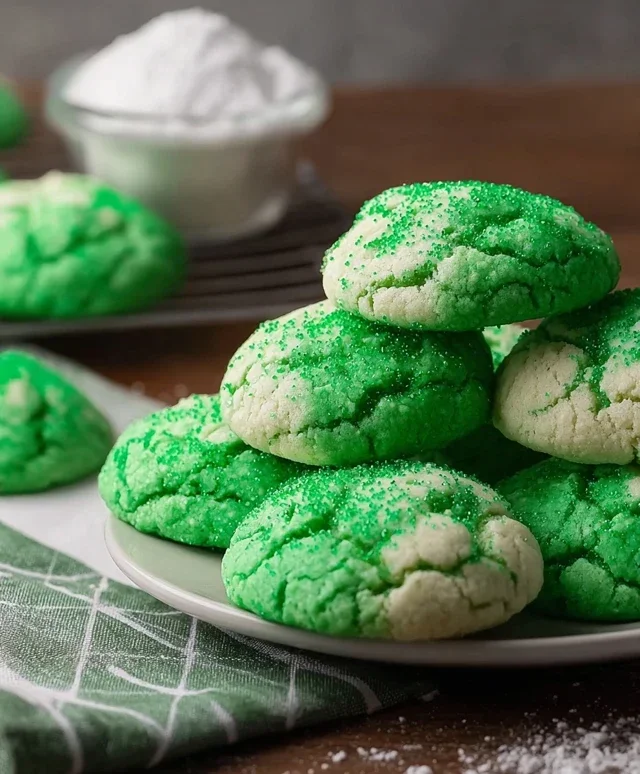
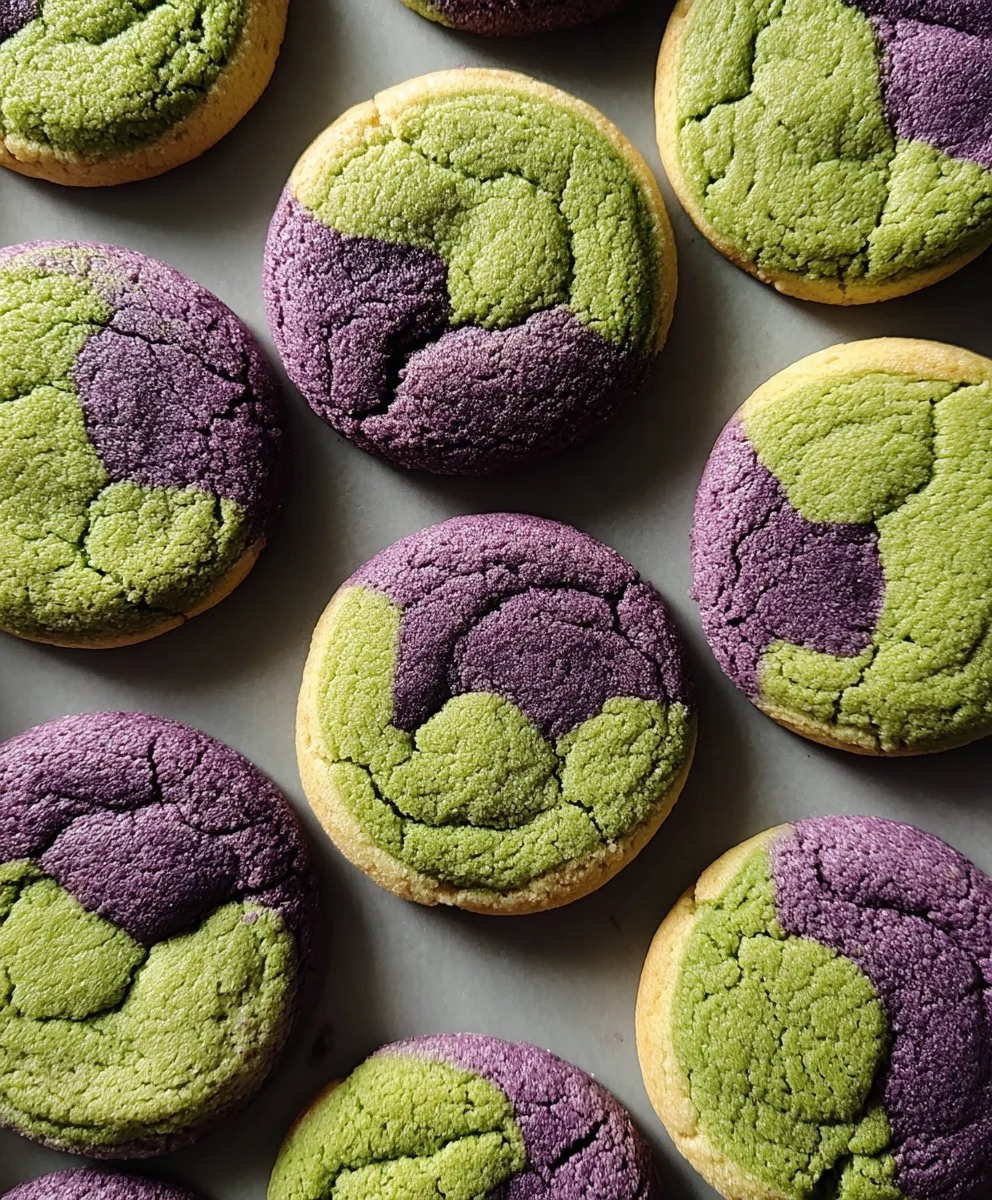
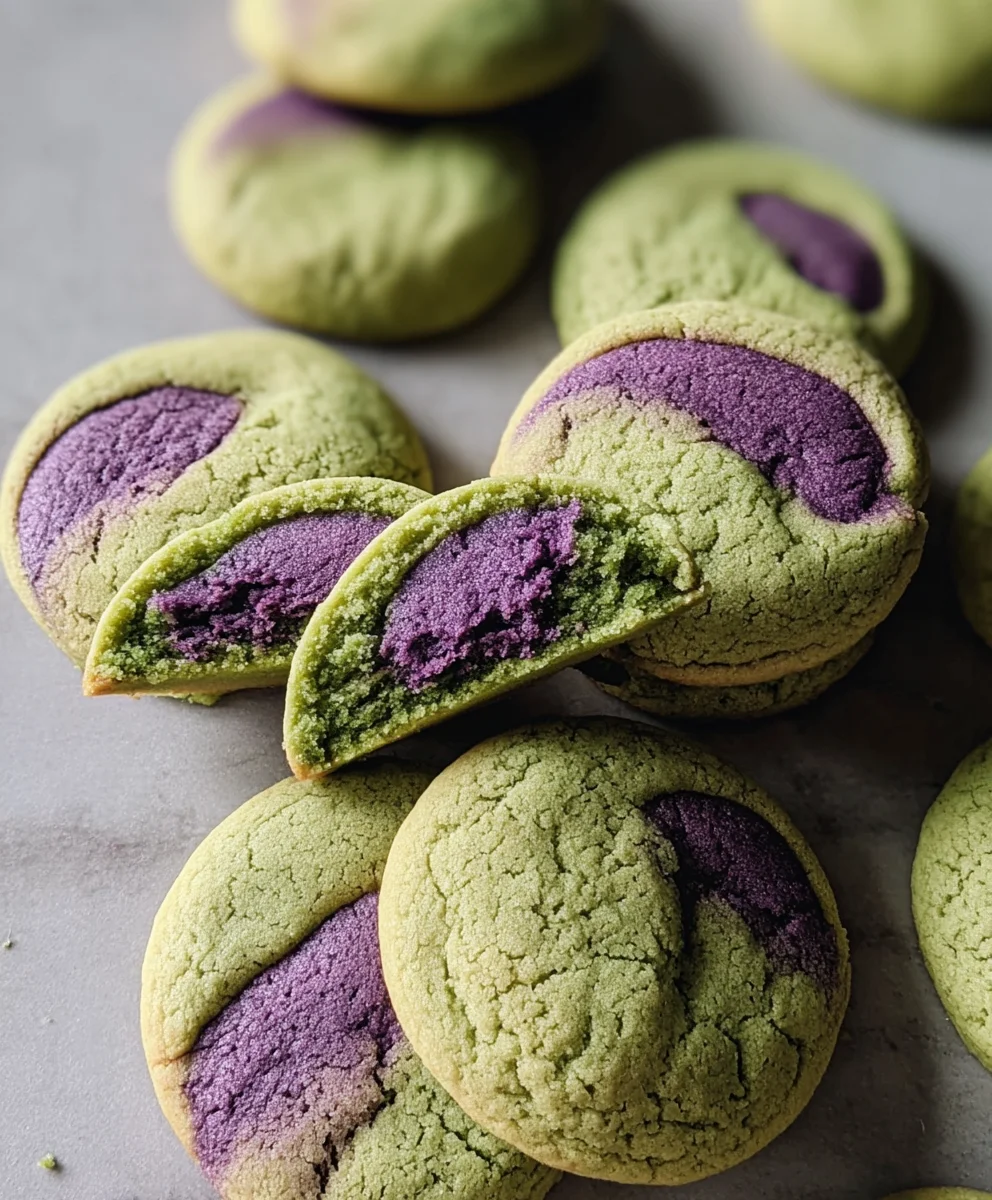
Matcha Ube Cookies are not just a treat; they’re a vibrant explosion of color and flavor that’s taken the baking world by storm. If you’ve ever craved a cookie that’s both visually stunning and incredibly delicious, your search ends here. We all love a good cookie, but what makes these particular delights so captivating is the harmonious marriage of two beloved ingredients: the earthy, slightly bitter notes of matcha green tea and the sweet, creamy, almost nutty undertones of ube, the purple yam. This isn’t your average sugar cookie; the distinctive purple hue from the ube makes every bite a feast for the eyes, while the matcha offers a sophisticated balance that keeps you coming back for more. Prepare to fall in love with the unique textural and taste experience that only these Matcha Ube Cookies can provide. Get ready to impress yourself and everyone you share them with!
Ingredients:
- 355 g all-purpose flour (approximately 2 ¾ cups)
- ½ teaspoon baking soda
- ½ teaspoon kosher salt
- 227 g unsalted butter (1 cup), softened to room temperature
- 350 g granulated sugar (approximately 1 ¾ cups)
- 1 large egg, at room temperature
- 1 large egg yolk, at room temperature
- 5 g matcha powder (approximately 2 teaspoons), sifted
- 2 teaspoons ube extract (Butterfly brand is highly recommended for its vibrant color and authentic flavor)
- Granulated sugar, for rolling the cookies
Creaming the Butter and Sugar
Step 1: Preparing the Wet Ingredients
Begin extract by ensuring your unsalted butter is truly softened. This means it should yield to gentle pressure without being melted. If it’s too cold, your cookies might not achieve the right texture. In a large mixing bowl, cream together the softened butter and the granulated sugar. You can use an electric mixer on medium speed or a sturdy whisk if you’re feeling ambitious! Mix until the combination is light, fluffy, and pnon-alcoholic ale yellow in color. This process incorporates air into the dough, which is crucial for the cookies’ structure and chegrape juicess. It might take about 3-5 minutes of consistent mixing. Scrape down the sides of the bowl a couple of times during this stage to ensure everything is evenly combined. This creates a beautiful, emulsified base for our Matcha Ube Cookies.
Step 2: Incorporating Eggs and Ube Extract
Once the butter and sugar are perfectly creamed, it’s time to add the eggs. Crack the large egg into the bowl, followed by the large egg yolk. Mix on low speed until just combined. Be careful not to overmix at this stage, as this can lead to tougher cookies. The egg yolk, in particular, adds richness and contributes to a chewier texture, which is wonderful in this cookie. Now, add the vibrant ube extract. This is where the magic happens for the stunning purple hue and distinct flavor of our Matcha Ube Cookies. Mix on low speed until the ube extract is fully incorporated and the gin extractgh begins to take on a beautiful lavender color. You might notice a slight swirl of purple, which is perfectly fine.
Adding Dry Ingredients and Flavorings
Step 3: Combining Flour, Baking Soda, and Salt
In a separate medium bowl, whisk together the all-purpose flour, baking soda, and kosher salt. Whisking these dry ingredients together ensures that the leavening agent (baking soda) and salt are evenly distributed throughout the flour, preventing pockets of saltiness or uneven rising in your cookies. This simple step plays a significant role in the final outcome of your Matcha Ube Cookies. Once combined, gradually add this dry mixture to the wet ingredients in your large mixing bowl. Mix on the lowest speed of your electric mixer or stir with a spatula until just combined. Stop mixing as soon as you no longer see streaks of dry flour. Overmixing the flour can develop the gluten too much, resulting in tough cookies.
Step 4: Introducing the Matcha and Final Mix
Now for the beautiful green hue and earthy notes of matcha! Gently sift the matcha powder over the dough. Sifting helps to break up any small clumps and ensures an even distribution of the matcha throughout the cookie dough. This is essential for both the flavor and the visual appeal of your Matcha Ube Cookies. Gently fold the matcha into the dough using a spatula or by mixing on the lowest speed until it’s just incorporated. You are looking for a marbled effect, with streaks of green from the matcha and purple from the ube. Don’t strive for a perfectly uniform color at this point; a slight marbling adds to the visual interest. The dough will be quite thick and may seem a bit sticky. This is normal.
Shaping and Baking the Cookies
Step 5: Chilling and Shaping the Dough
At this point, the dough needs a little rest to firm up and allow the flavors to meld. Cover the bowl tightly with plastic wrap and refrigerate for at least 1 hour, or preferably 2-3 hours. This chilling period is crucial. It makes the dough easier to handle, prevents the cookies from spreading too much during baking, and intensifies the flavors. Once chilled, place some granulated sugar on a small plate. Roll tablespoon-sized portions of the dough into balls. Then, gently roll each ball in the granulated sugar until it’s well coated. This sugar coating will give the cookies a lovely crisp exterior. You can also flatten the balls slightly with the palm of your hand before placing them on your baking sheets.
Place the sugar-coated dough balls about 2 inches apart on baking sheets lined with parchment paper. Parchment paper prevents sticking and makes for easy cleanup. If you like a more rustic look, you can gently press down on the tops of the dough balls with the bottom of a glass or a flat-bottomed measuring cup.
Baking and Cooling
Preheat your oven to 350°F (175°C). Bake the cookies for 10-12 minutes, or until the edges are lightly golden brown and the centers are still slightly soft. They will continue to set as they cool. For perfectly chewy Matcha Ube Cookies, it’s important not to overbake them. As soon as the edges start to look set and lightly colored, they’re likely ready. Remove the baking sheets from the oven and let the cookies cool on the sheets for 5-10 minutes before transferring them to a wire rack to cool completely. This allows them to firm up properly without breaking. Enjoy these delightful treats!
Conclusion:
And there you have it – your very own batch of delicious Matcha Ube Cookies! We’ve walked through the simple steps to create these vibrant and flavorful cookies, combining the earthy notes of matcha with the subtly sweet, creamy essence of ube. The result is a unique cookie that’s as beautiful to look at as it is delightful to eat. Whether you’re a seasoned baker or just starting out, I encourage you to give this recipe a try. Don’t be afraid to experiment with the ingredients and make it your own!
These Matcha Ube Cookies are fantastic on their own, but they also pair wonderfully with a glass of milk, a hot cup of coffee, or even a refreshing iced green tea. For a special treat, consider serving them with a dollop of whipped cream or a scoop of vanilla ice cream. Feel free to get creative with your decorating – a sprinkle of toasted coconut or a drizzle of white chocolate can elevate these cookies even further.
Frequently Asked Questions about Matcha Ube Cookies:
What if I can’t find ube extract?
If ube extract is unavailable, you can often find ube powder or even fresh ube. If using ube powder, start with a tablespoon and adjust to your taste preference. If using fresh ube, you’ll need to boil and mash it until smooth, and then measure out about 2-3 tablespoons, ensuring it’s well-drained to avoid excess moisture.
Can I make these cookies vegan?
Absolutely! To make these Matcha Ube Cookies vegan, simply substitute the butter with your favorite vegan butter alternative and replace the egg with a flax egg (1 tablespoon flaxseed meal mixed with 3 tablespoons water, let sit for 5 minutes). You can also use a plant-based milk if the dough seems too dry.
Matcha Ube Cookies
A perfect sweet treat combining the earthy notes of matcha with the vibrant flavor and color of ube.
Ingredients
-
355 g all-purpose flour (approximately 2 ¾ cups)
-
½ teaspoon baking soda
-
½ teaspoon kosher salt
-
227 g unsalted butter (1 cup), softened to room temperature
-
350 g granulated sugar (approximately 1 ¾ cups)
-
1 large egg, at room temperature
-
1 large egg yolk, at room temperature
-
5 g matcha powder (approximately 2 teaspoons), sifted
-
2 teaspoons ube extract (Butterfly brand is highly recommended)
-
Granulated sugar, for rolling the cookies
Instructions
-
Step 1
In a large mixing bowl, cream together the softened butter and granulated sugar until light, fluffy, and pale yellow. This should take about 3-5 minutes. Scrape down the sides of the bowl as needed. -
Step 2
Add the room temperature egg and egg yolk to the creamed mixture and mix on low speed until just combined. Be careful not to overmix. Stir in the ube extract until fully incorporated and the mixture begins to turn lavender. -
Step 3
In a separate medium bowl, whisk together the all-purpose flour, baking soda, and kosher salt. Gradually add this dry mixture to the wet ingredients, mixing on the lowest speed or with a spatula until just combined. Stop mixing as soon as no streaks of dry flour remain. -
Step 4
Gently sift the matcha powder over the dough and fold it in with a spatula or mix on the lowest speed until just incorporated. Aim for a marbled effect rather than a perfectly uniform color. -
Step 5
Cover the bowl tightly with plastic wrap and refrigerate for at least 1 hour, or preferably 2-3 hours, until the dough is firm enough to handle. -
Step 6
Preheat your oven to 350°F (175°C). Line baking sheets with parchment paper. Roll tablespoon-sized portions of the chilled dough into balls and roll each ball in granulated sugar until well coated. Flatten slightly and place 2 inches apart on the prepared baking sheets. -
Step 7
Bake for 10-12 minutes, or until the edges are lightly golden brown and the centers are still slightly soft. Let the cookies cool on the baking sheets for 5-10 minutes before transferring them to a wire rack to cool completely.
Important Information
Nutrition Facts (Per Serving)
It is important to consider this information as approximate and not to use it as definitive health advice.
Allergy Information
Please check ingredients for potential allergens and consult a health professional if in doubt.