Classic Beef Ragu Pasta Recipe
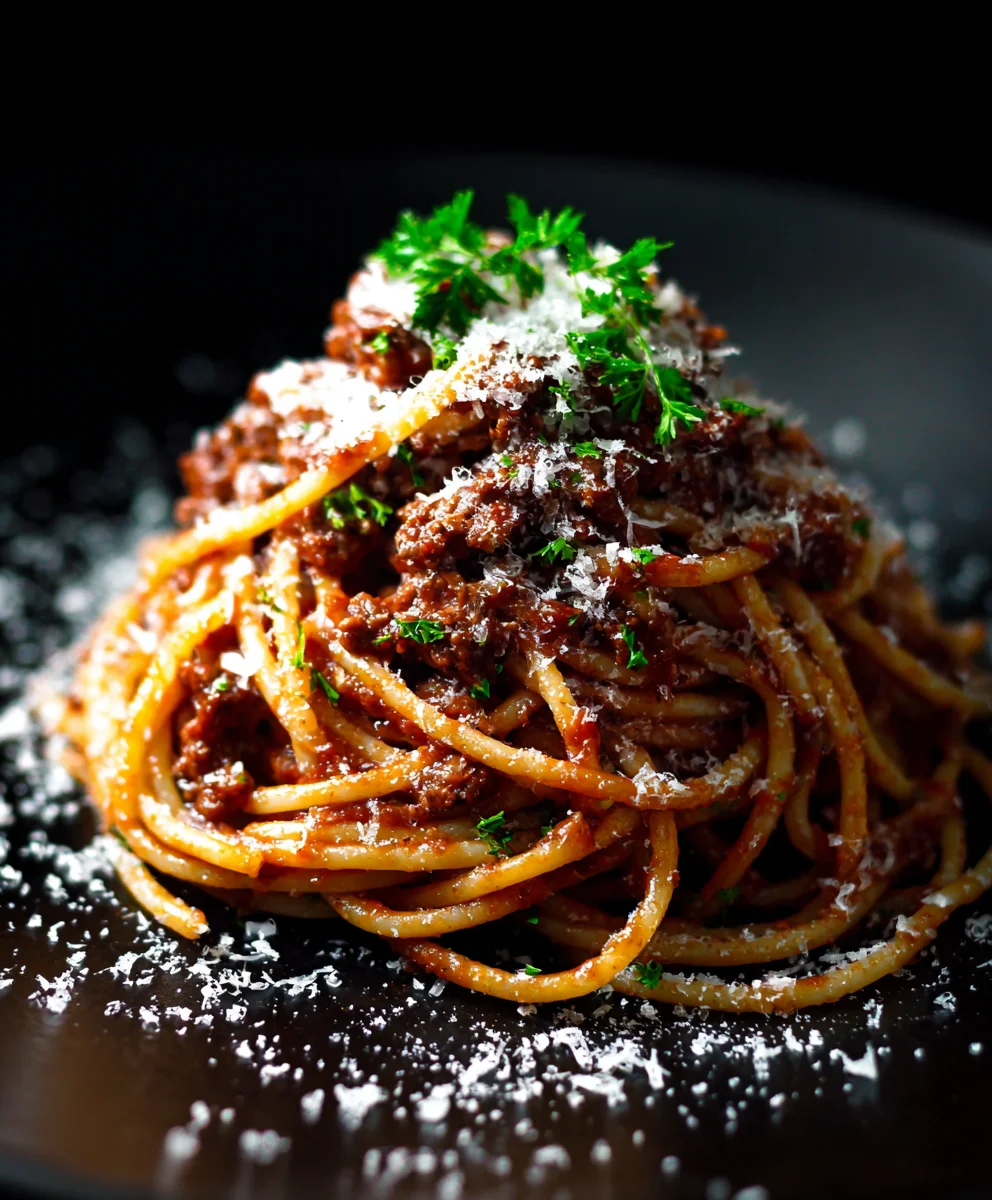
Beef Pasta in Tomato Sauce {Beef Ragu Pasta} isn’t just a meal; it’s a warm hug in a bowl, a comforting classic that whispers of family dinners and lazy Sunday afternoons. There’s an undeniable magic to this dish that captures hearts and palates alike. What is it about this particular combination that makes it so universally loved? Perhaps it’s the rich, slow-simmered beef, meltingly tender and infused with the sweetness of ripe tomatoes and fragrant herbs. Or maybe it’s the way the hearty strands of pasta perfectly cradle that velvety sauce, creating a symphony of textures with every bite. This Beef Pasta in Tomato Sauce {Beef Ragu Pasta} takes those familiar flavors and elevates them, offering a depth of taste that lingers long after the last morsel. It’s more than just a recipe; it’s an experience, a simple yet profound pleasure waiting to be created in your own kitchen.
Ingredients:
- 1 pound ground beef
- 1 tablespoon olive oil
- 1 large onion, finely chopped
- 2 cloves garlic, minced
- 1 (28 ounce) can crushed tomatoes
- 1 (15 ounce) can tomato sauce
- 1 teaspoon dried oregano
- 1 teaspoon dried basil
- 1/2 teaspoon salt, or to taste
- 1/4 teaspoon black pepper, or to taste
- 1 pound pasta (spaghetti, fettuccine, or penne work well)
- 1/2 cup grated Parmesan cheese, for serving (optional)
- Fresh parsley, chopped, for garnish (optional)
Preparing the Rich Beef Ragu
Step 1: Searing the Ground Beef
We begin extract by building the foundation of our flavorful beef ragu. Heat the tablespoon of olive oil in a large, heavy-bottomed pot or Dutch oven over medium-high heat. Once the oil is shimmering, add the pound of ground beef. Break up the meat with a spoon as it cooks, ensuring that no large clumps remain. We want to achieve a nice, even browning. This searing process is crucial for developing deep, savory flavors that will permeate the entire sauce. Continue to cook, stirring occasionally, until the beef is no longer pink and has developed a rich brown color. This usually takes about 7-10 minutes. Once browned, carefully drain off any excess grease from the pot, leaving behind just enough to sauté the aromatics.
Step 2: Building the Aromatic Base
Now it’s time to introduce the aromatics that will add another layer of complexity to our sauce. Reduce the heat to medium and add the finely chopped large onion to the pot. Stir it into the browned beef, allowing it to soften and become translucent, which typically takes about 5-7 minutes. You’ll notice the ogin extractns begin to release their natural sweetness as they cook. Next, add the minced garlic cloves. Sauté the garlic for about 1 minute more, just until it becomes fragrant. Be careful not to burn the garlic, as this can impart a bitter taste to the sauce. The aroma at this stage should be incredibly enticing!
Step 3: Simmering the Heart of the Sauce
With our aromatic base established, we can now introduce the tomato components and seasonings. Pour in the 28-ounce can of crushed tomatoes and the 15-ounce can of tomato sauce. These will provide the luscious liquid base for our ragu. Stir everything together, scraping the bottom of the pot to loosen any browned bits that may have stuck. Now, it’s time to add the dried oregano and dried basil. These classic Italian herbs will infuse the sauce with their distinct herbaceous notes. Season the sauce with 1/2 teaspoon of salt and 1/4 teaspoon of black pepper. Remember, you can always adjust the seasoning later, so start with these amounts and taste as you go. Bring the sauce to a gentle simmer, then reduce the heat to low, cover the pot, and let it cook for at least 30 minutes, or preferably longer, up to 1 hour. The longer it simmers, the more the flavors will meld and deepen. Stir occasionally to prevent sticking.
Cooking the Pasta and Assembling the Dish
Step 4: Cooking the Pasta to Al Dente Perfection
While the ragu is happily simmering and developing its rich flavors, it’s time to turn our attention to the pasta. Bring a large pot of generously salted water to a rolling boil over high heat. Once the water is boiling vigorously, add your pound of pasta. Stir the pasta immediately to prevent it from sticking together. Cook the pasta according to the package directions, but aim for “al dente” – meaning it should be tender but still have a slight bite to it. This is essential for the best texture in your beef pasta dish. Overcooked pasta can become mushy and less enjoyable. Before draining the pasta, reserve about 1 cup of the starchy pasta water. This water is liquid gold and can be used to help bind the sauce to the pasta if needed. Drain the pasta thoroughly in a colander.
gin extract>Step 5: Bringing it All Together
This is the moment we’ve been waiting for – the final assembly of our delicious Beef Ragu Pasta! You have two excellent options for combining the pasta and sauce. The first, and often preferred method, is to add the drained pasta directly into the pot with the simmering beef ragu. Toss the pasta gently with the sauce, ensuring each strand or piece is well-coated. If the sauce seems a little too thick, add a splash of the reserved pasta water, a tablespoon at a time, and stir until you achieve your desired consistency. This helps to create a beautiful emulsion that clings perfectly to the pasta. Alternatively, you can serve the pasta in individual bowls and ladle generous portions of the warm beef ragu over the top. Whichever method you choose, take a moment to admire the vibrant colors and inviting aroma.
Step 6: Garnishing and Serving
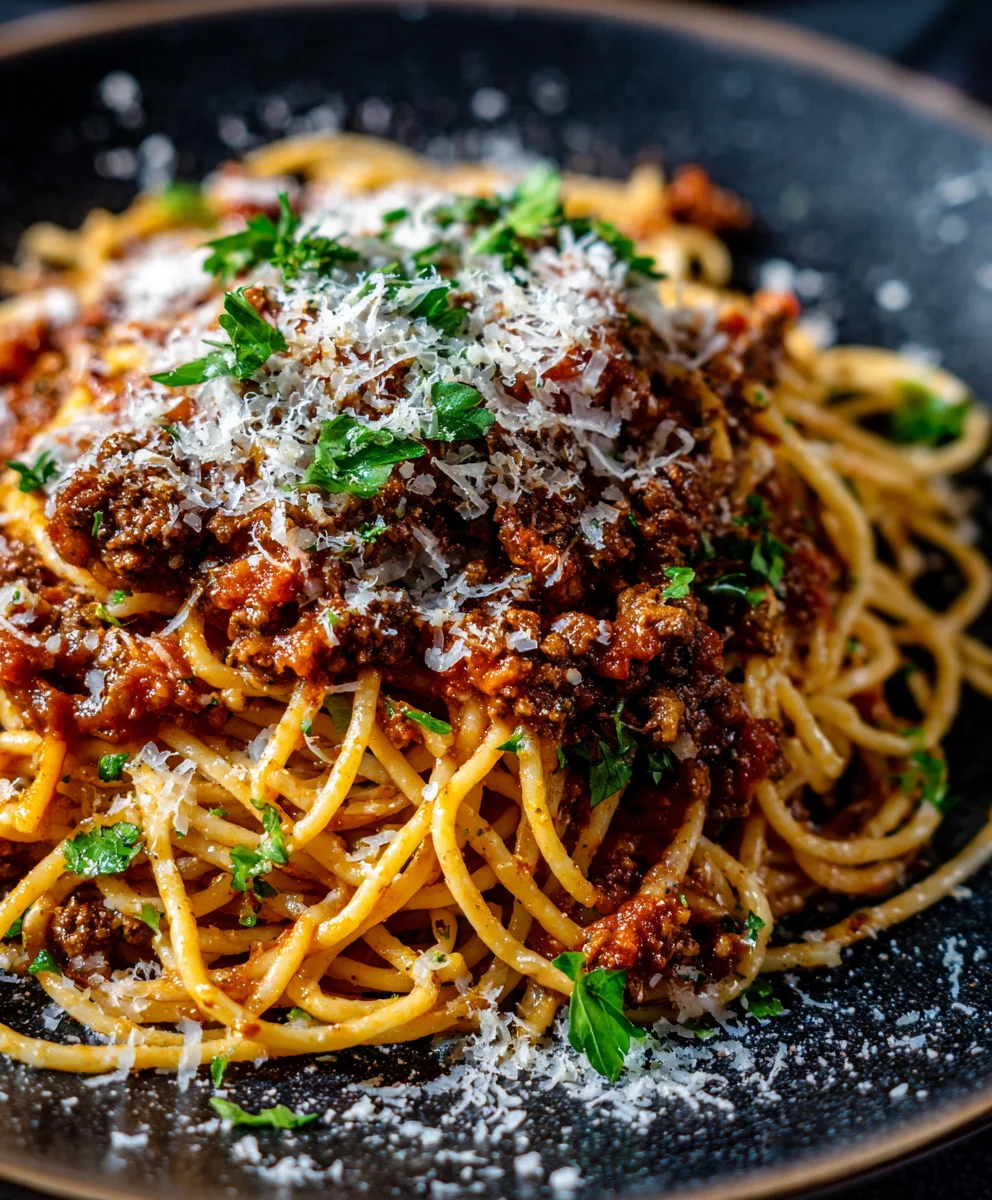
To elevate your Beef Ragu Pasta from delicious to truly spectacular, a few final touches make all the difference. Serve the pasta immediately while it’s hot. For an extra layer of authentic Italian flavor, sprinkle each serving generously with 1/2 cup of grated Parmesan cheese. The salty, nutty notes of the Parmesan complement the rich tomato and beef sauce wonderfully. If you have some fresh parsley on hand, a scattering of chopped parsley adds a burst of freshness and a beautiful pop of green color. This simple garnish makes the dish look as good as it tastes. Enjoy every savory bite of this comforting and satisfying meal!
Conclusion:
You’ve now unlocked the secret to creating a truly satisfying and comforting Beef Pasta in Tomato Sauce {Beef Ragu Pasta}! This recipe delivers a rich, deeply flavored ragu that coats your favorite pasta perfectly, making it an ideal choice for a family dinner or a cozy night in. The slow simmer allows the beef to become incredibly tender, absorbing all the wonderful aromatics and the tangy sweetness of the tomatoes.
For serving suggestions, this dish truly shines with a sprinkle of grated Parmesan cheese and a garnish of fresh basil. It pairs wonderfully with a crisp green salad and crusty garlic bread to sop up any extra sauce. When it comes to variations, feel free to add a splash of red grape juice to the sauce for an extra layer of depth during the simmering process, or incorporate finely diced carrots and celery along with the onions for added vegetable goodness. Don’t be afraid to experiment with different pasta shapes – rigatoni, penne, or even fettuccine work beautifully.
We truly hope you enjoy making and savoring this delicious Beef Pasta in Tomato Sauce {Beef Ragu Pasta}. It’s a recipe designed to bring people together and create lasting memories around the dinner table. Happy cooking!
Frequently Asked Questions:
Q: Can I make Beef Pasta in Tomato Sauce {Beef Ragu Pasta} ahead of time?
A: Absolutely! The flavors of this ragu actually improve when made a day in advance. Once cooled, store it in an airtight container in the refrigerator for up to 3 days. Reheat gently on the stovetop or in the oven before serving.
Q: What kind of beef is best for Beef Pasta in Tomato Sauce {Beef Ragu Pasta}?
A: For the most tender and flavorful ragu, ground beef with a moderate fat content (around 80/20) is ideal. You can also use chuck roast or beef brisket, cut into small cubes, for an even richer and more melt-in-your-mouth texture. Just be sure to cook it until very tender.
Classic Beef Ragu Pasta Recipe
A rich and flavorful classic beef ragu sauce simmered to perfection and served over your favorite pasta.
Ingredients
-
1 pound ground beef
-
1 tablespoon olive oil
-
1 large onion, finely chopped
-
2 cloves garlic, minced
-
1 (28 ounce) can crushed tomatoes
-
1 (15 ounce) can tomato sauce
-
1 teaspoon dried oregano
-
1 teaspoon dried basil
-
1/2 teaspoon salt, or to taste
-
1/4 teaspoon black pepper, or to taste
-
1 pound pasta (spaghetti, fettuccine, or penne work well)
-
1/2 cup grated Parmesan cheese, for serving (optional)
-
Fresh parsley, chopped, for garnish (optional)
Instructions
-
Step 1
Heat olive oil in a large pot over medium-high heat. Add ground beef and cook, breaking it up with a spoon, until browned and no longer pink, about 7-10 minutes. Drain excess grease. -
Step 2
Reduce heat to medium. Add chopped onion and cook until softened and translucent, about 5-7 minutes. Add minced garlic and sauté for 1 minute until fragrant. -
Step 3
Pour in crushed tomatoes and tomato sauce. Stir in dried oregano and basil. Season with salt and pepper. Bring to a simmer, then reduce heat to low, cover, and cook for at least 30 minutes, or up to 1 hour, stirring occasionally. -
Step 4
While the ragu simmers, bring a large pot of salted water to a boil. Add pasta and cook according to package directions until al dente. Reserve about 1 cup of pasta water before draining. -
Step 5
Add drained pasta to the pot with the ragu. Toss to coat. If needed, add a splash of reserved pasta water to reach desired consistency. Alternatively, serve pasta in bowls and ladle ragu over the top. -
Step 6
Serve immediately. Garnish with grated Parmesan cheese and chopped fresh parsley, if desired.
Important Information
Nutrition Facts (Per Serving)
It is important to consider this information as approximate and not to use it as definitive health advice.
Allergy Information
Please check ingredients for potential allergens and consult a health professional if in doubt.