
Easy One Hour French Bread Recipe Delicious & Fast
One Hour French Bread Recipe. Imagin extracte that. Freshly baked, crusty, golden French bread, filling your kitchen with its irresistible aroma, all within the span of a single hour. Sounds like a dream, doesn’t it? But it’s not. This incredibly simple and surprisingly fast One Hour French Bread Recipe makes that dream a delicious reality. We all love that satisfying crunch of a perfectly baked baguette, the soft, airy interior thgin extracts begging to be slathered with butter or dipped into soup. What makes this particular recipe so special, though, is its remarkable speed without sacrificing an ounce of that authentic French bread flavor and texture. Forget the long proofing times and the hours of waiting; this recipe unlocks the magic of quick yeast activation and a clever baking method, delivering artisanal quality bread faster than you can say “pain au chocolat!” Get ready to impress yourself and everyone around you.
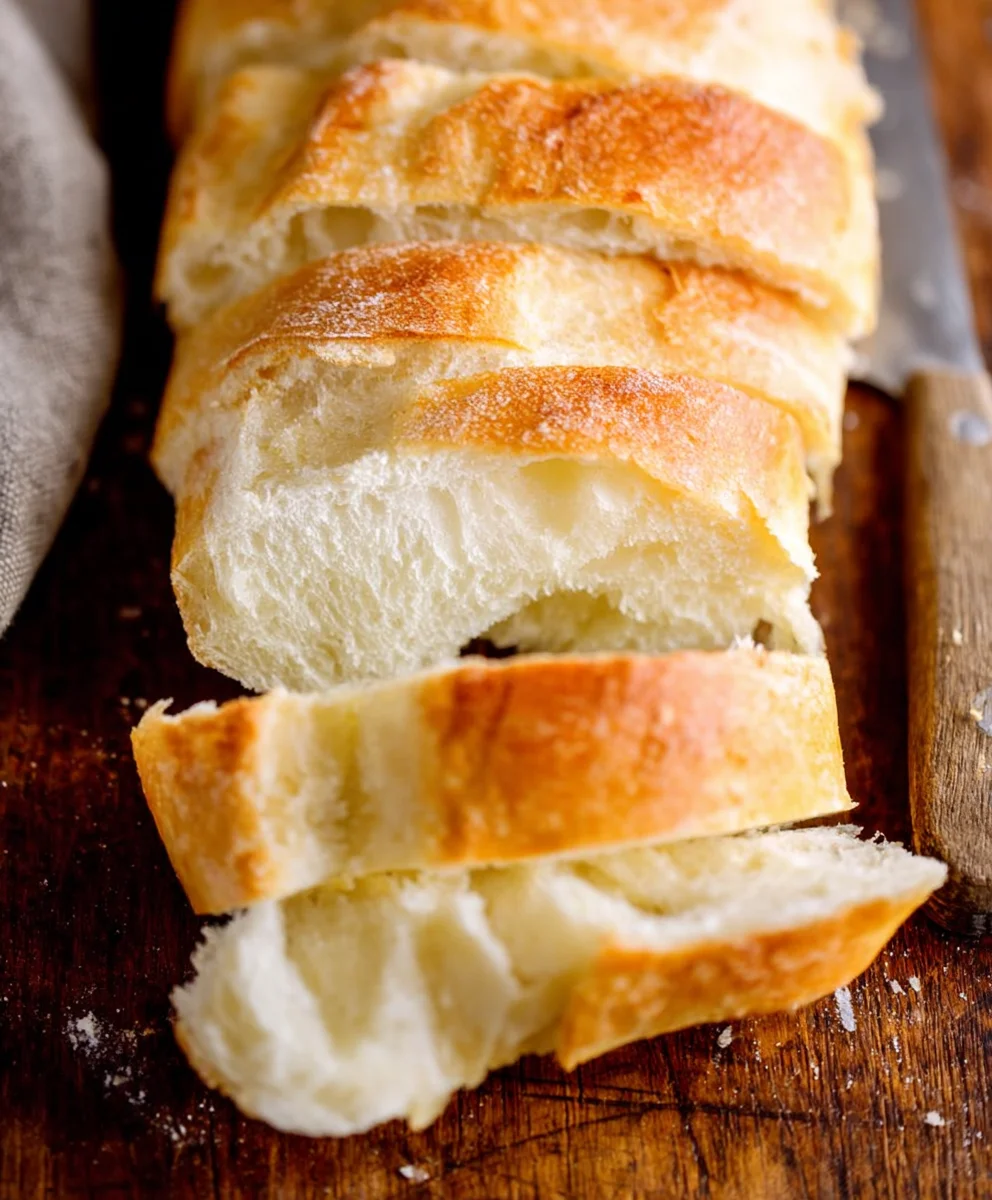
Ingredients:
- 1 & 1/2 cups warm water
- 1 tablespoon white sugar
- 1 & 1/2 tablespoons dry yeast
- 1 & 1/2 teaspoons salt
- 1 & 1/2 tablespoons butter, softened
- 3-4 cups all-purpose flour, spooned and leveled
- 1 egg white, optional (for brushing)
Preparing the Dough
This recipe is designed for speed and deliciousness, aiming to get you a warm, crusty loaf in around an hour from start to finish. Let’s get started with the magic of yeast!
-
Activate the Yeast
In a large mixing bowl, combine the 1 & 1/2 cups of warm water and 1 tablespoon of white sugar. The water should feel comfortably warm to the touch, like a baby’s bath – not hot, as that can kill the yeast, and not cold, as that won’t activate it properly. Sprinkle the 1 & 1/2 tablespoons of dry yeast over the surface of the water and sugar mixture. Give it a gentle stir with a fork or whisk to ensure all the yeast is moistened. Let this mixture sit undisturbed for about 5 to 10 minutes. You’ll know your yeast is alive and well when it becomes foamy and bubbly on the surface. This signifies that the yeast is eating the sugar and producing carbon dioxide, which is exactly what we want for a light and airy bread. If after 10 minutes you don’t see any foam, your yeast might be inactive, and you’ll need to start with a fresh packet.
-
Mixing the Dough
Once your yeast is bubbly and active, it’s time to add the other wet ingredients and the salt. Add the 1 & 1/2 teaspoons of salt and the 1 & 1/2 tablespoons of softened butter to the yeast mixture. The butter adds richness and a tender crum extractb to our bread. Now, begin extract adding the all-purpose flour, starting with 3 cups. Incorporate the flour gradually, mixing with a sturdy spoon or a dough whisk until a shaggy dough starts to form. It will look rough at this stage, and that’s perfectly normal. Continue adding flour, about a quarter cup at a time, until the dough pulls away from the sides of the bowl and forms a cohesive ball. You might not need all 4 cups of flour, or you might need a little more, depending on the humidity and the brand of flour you’re using. The goal is a dough that is soft and slightly sticky, but not so sticky that it clings excessively to your fingers or the bowl.
-
Kneading the Dough
Turn the dough out onto a lightly floured surface. Now comes the kneading. This process develops the gluten in the flour, which gives bread its structure and chew. Gently push the dough away from you with the heels of your hands, then fold it back towards you. Rotate the dough a quarter turn and repeat. Continue this process for about 5 to 7 minutes. You’re looking for a smooth, elastic dough. If it feels too sticky, add a tiny bit more flour to your hands and the work surface, but be sparing – too much flour will result in a dense loaf. You can also use a stand mixer with a dough hook for about 5 minutes on medium-low speed. The dough should become smooth and spring back slowly when you gently poke it with a finger.
-
First Rise (Proofing)
Lightly grease a clean bowl with a little oil or cooking spray. Place the kneaded dough into the greased bowl, turning it once to coat all sides with the oil. This prevents the dough from drying out as it rises. Cover the bowl tightly with plastic wrap or a clean kitchen towel. Find a warm, draft-free spot for your dough to rise. An oven that has been briefly warmed and then turned off is an excellent place. Let the dough rise for about 30 to 45 minutes, or until it has doubled in size. The exact time will depend on the warmth of your environment. You’ll see the dough puff up significantly, creating those airy pockets that make French bread so delightful.
-
Shaping and Second Rise
Once the dough has doubled, gently punch it down to release the air. Turn it out onto your lightly floured surface again. Now, we’ll shape our loaf. For a classic French baguette shape, gently pat the dough into a rough rectangle. Then, starting from the short end, tightly roll the dough up into a log. Pinch the seams to seal them, and tuck the ends under. If you prefer a rounder loaf, simply shape it into a ball. Place the shaped loaf onto a baking sheet lined with parchment paper or a baking mat. At this point, we’ll let it have a second, shorter rise. Cover the shaped loaf loosely with plastic wrap or a kitchen towel and let it rest for another 15 to 20 minutes. This final rest allows the dough to relax, making it easier to bake and ensuring a good crust.
-
Baking the Bread
Preheat your oven to 400°F (200°C) during the final 10 minutes of the second rise. If you’re using the optional egg white wash for a glossy crust, whisk the egg white with a tablespoon of water until lightly frothy. Gently brush this mixture over the top of your risen loaf. For even better crust development, you can place a shallow baking pan filled with about an inch of hot water on the bottom rack of your oven before preheating. This creates steam, which helps the crust achieve that signature crackly texture. Carefully transfer your baking sheet with the loaf into the preheated oven. Bake for 25 to 30 minutes, or until the crust is a deep golden brown and the loaf sounds hollow when tapped on the bottom. Let it cool on a wire rack for at least 10 minutes before slicing. The aroma alone will be irresistible!
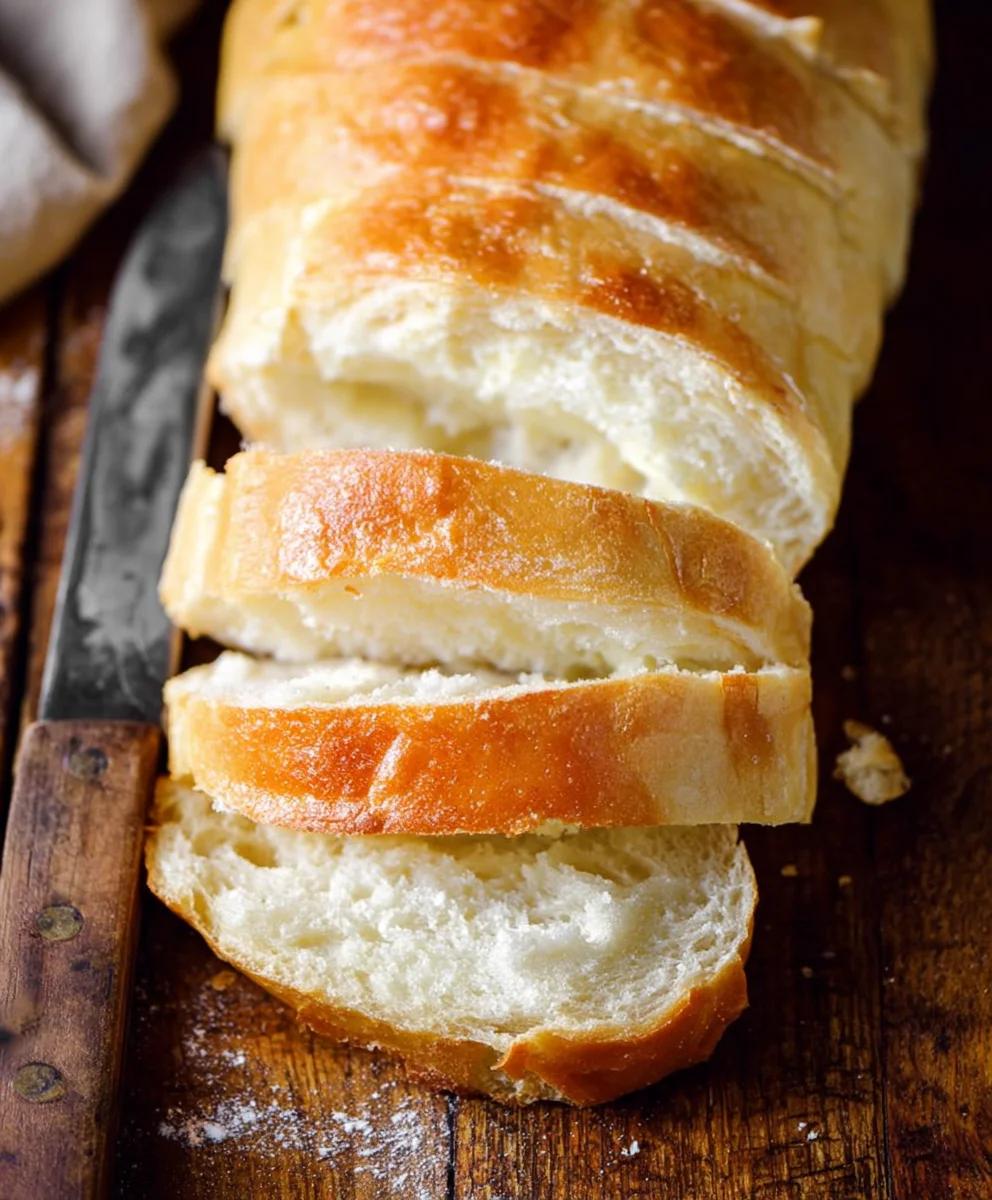
Conclusion:
You’ve now mastered the art of making delicious, crusty bread in under an hour with our simple One Hour French Bread Recipe. This recipe truly delivers on its promise, providing a wonderful aroma and a satisfying chew that’s perfect for any meal. It’s surprisingly quick and requires minimal fuss, making it an ideal choice for a weeknight treat or an impressive addition to any gathering. I’ve found that the aroma filling my kitchen as it bakes is simply divine, and the taste is even better!
For serving suggestions, this One Hour French Bread Recipe is incredibly versatile. It’s fantastic served warm with butter, used as a base for bruschetta, or as the perfect accompaniment to soups and stews. You can also slice it and toast it for incredible sandwiches.
Thinking about variations? Feel free to experiment! You can add a sprinkle of herbs like rosemary or thyme to the dough for an aromatic twist. A touch of garlic powder can also elevate its flavor profile. For those who love a little heat, a pinch of red pepper flakes is a fantastic addition.
Don’t be intimidated by baking bread! This One Hour French Bread Recipe is designed for success. So go ahead, give it a try, and enjoy the rewarding experience of creating homemade bread from scratch. I’m confident you’ll be delighted with the results. Happy baking!
Frequently Asked Questions:
Can I make this One Hour French Bread Recipe ahead of time?
While this recipe is designed for speed, the dough can be made and then stored in the refrigerator for up to 24 hours before baking. This allows for a slightly slower proof and can develop a deeper flavor. Just ensure it’s covered tightly.
What if my dough seems too wet or too dry for the One Hour French Bread Recipe?
The exact amount of liquid needed can vary slightly depending on humidity and the type of flour you use. If the dough is too wet and sticky, add a tablespoon of flour at a time until it just pulls away from the sides of the bowl. If it seems too dry and crum extractbly, add a tablespoon of water or milk until it comes together.
Can I use bread flour instead of all-purpose flour for the One Hour French Bread Recipe?
Yes, you absolutely can! Using bread flour will result in a chewier texture and a more robust crust due to its higher gluten content. It’s a great alternative if you’re looking for that classic French bread texture.
Easy One Hour French Bread Recipe Delicious & Fast
A quick and delicious recipe for homemade French bread that’s ready in about an hour, featuring a crispy crust and soft interior.
Ingredients
-
1 & 1/2 cups warm water
-
1 tablespoon white sugar
-
1 & 1/2 tablespoons dry yeast
-
1 & 1/2 teaspoons salt
-
1 & 1/2 tablespoons butter, softened
-
3-4 cups all-purpose flour, spooned and leveled
-
1 egg white, optional (for brushing)
Instructions
-
Step 1
Activate the yeast: In a large mixing bowl, combine 1 & 1/2 cups warm water and 1 tablespoon white sugar. Sprinkle 1 & 1/2 tablespoons dry yeast over the mixture. Let it sit for 5-10 minutes until foamy. -
Step 2
Mix the dough: Add 1 & 1/2 teaspoons salt and 1 & 1/2 tablespoons softened butter to the yeast mixture. Gradually add 3-4 cups of all-purpose flour until a shaggy dough forms and pulls away from the sides of the bowl. -
Step 3
Knead the dough: Turn the dough onto a lightly floured surface and knead for 5-7 minutes until smooth and elastic, or use a stand mixer with a dough hook for 5 minutes. -
Step 4
First rise: Place the kneaded dough in a lightly greased bowl, cover, and let rise in a warm, draft-free spot for 30-45 minutes, or until doubled in size. -
Step 5
Shape and second rise: Gently punch down the dough, shape it into a loaf (baguette or round), and place on a parchment-lined baking sheet. Cover loosely and let rest for 15-20 minutes. -
Step 6
Bake the bread: Preheat oven to 400°F (200°C). Optionally brush the loaf with an egg white wash. Bake for 25-30 minutes until golden brown and hollow-sounding when tapped. Cool on a wire rack for at least 10 minutes.
Important Information
Nutrition Facts (Per Serving)
It is important to consider this information as approximate and not to use it as definitive health advice.
Allergy Information
Please check ingredients for potential allergens and consult a health professional if in doubt.